If you are asking how often clean air ducts should be part of your HVAC care, the short answer is this: most homes do not need duct cleaning every year, but some properties should schedule it sooner based on dust, pets, remodeling, allergies, or system issues. The right timeline depends less on the calendar and more on what is happening inside the home or building.
That matters in the Bay Area, where many properties mix older duct systems, ongoing renovation work, wildfire-season air concerns, and year-round HVAC use. We talk with homeowners and property managers all the time who are not sure whether their ducts are overdue or whether they are being sold a service they do not actually need. A good answer should be honest, practical, and based on conditions you can see.
How often clean air ducts in a typical property
For many homes, professional air duct cleaning every 3 to 5 years is a reasonable baseline. That range is not a rule for every property, but it is a solid starting point when the system is otherwise in good shape and filters are changed on schedule.
For commercial spaces, multi-unit buildings, and higher-traffic properties, the timing can be shorter. Offices, retail spaces, and rentals often deal with more occupants, more dust entering through doors, and less control over filter changes. In those settings, checking the duct system more often makes sense, even if cleaning is not needed every time.
A newer, tightly sealed home with quality filtration may go longer. An older home with leaky ducts, pets, and recurring dust problems may need service much sooner. That is why blanket promises like every year or never are both misleading.
The signs your ducts may need cleaning sooner
The calendar gives you a rough target. The condition of the system gives you the real answer.
If dust builds up quickly after cleaning, if supply vents are visibly dirty, or if you notice stale odors when the system turns on, duct cleaning may be worth a closer look. The same goes for uneven airflow, recent construction debris, or a sudden increase in allergy complaints indoors.
Here are the most common situations that move duct cleaning up on the schedule:
- Recent remodeling or construction
- Pets that shed heavily
- Smokers in the home or building
- Occupants with asthma or allergy sensitivity
- Water damage or moisture concerns near ductwork
- Rodent or insect activity
- Long gaps in HVAC maintenance
- Older duct systems with visible dust buildup
None of these automatically means the ducts are the only problem. Sometimes poor airflow is caused by a clogged filter, duct leakage, blower issues, or a system that needs repair. A trustworthy HVAC company will look at the whole picture before recommending cleaning.
When duct cleaning is especially worth it
Some situations justify duct cleaning more clearly than others. After a renovation is one of the biggest. Even when contractors try to isolate work areas, drywall dust, sawdust, insulation particles, and fine debris can make their way into the system. If the HVAC ran during the project, contamination inside the ducts is much more likely.
Move-ins are another good example, especially if you do not know how the previous owner or tenant maintained the HVAC system. If there were pets, smoking, neglect, or long periods without filter replacement, starting fresh can improve both cleanliness and confidence in the system.
Properties recovering from smoke events may also need more attention. In the Bay Area, seasonal air quality concerns can affect filters and HVAC components. Duct cleaning is not always required after smoke exposure, but in some homes and businesses it can help remove settled particulate when paired with proper filter replacement and overall system inspection.
How often clean air ducts if you have pets or allergies
If you have multiple pets, heavy shedding, or family members with respiratory sensitivity, a 2 to 3 year cycle may make more sense than waiting 5 years. Pet hair, dander, and fine dust do not always stay trapped at the return grille. Over time, some of that material can accumulate within the system, especially if filtration is inconsistent.
For allergy-prone households, cleaning the ducts is only one part of the plan. Better filtration, regular filter changes, sealing duct leaks, and keeping the blower and coils clean often make just as much difference, sometimes more. Duct cleaning helps most when it is addressing actual buildup, not when it is used as a catch-all answer for every indoor air quality complaint.
That is an important trade-off. If your home has allergy symptoms but your ducts are relatively clean, your money may be better spent on filtration upgrades or maintenance instead.
What duct cleaning can and cannot do
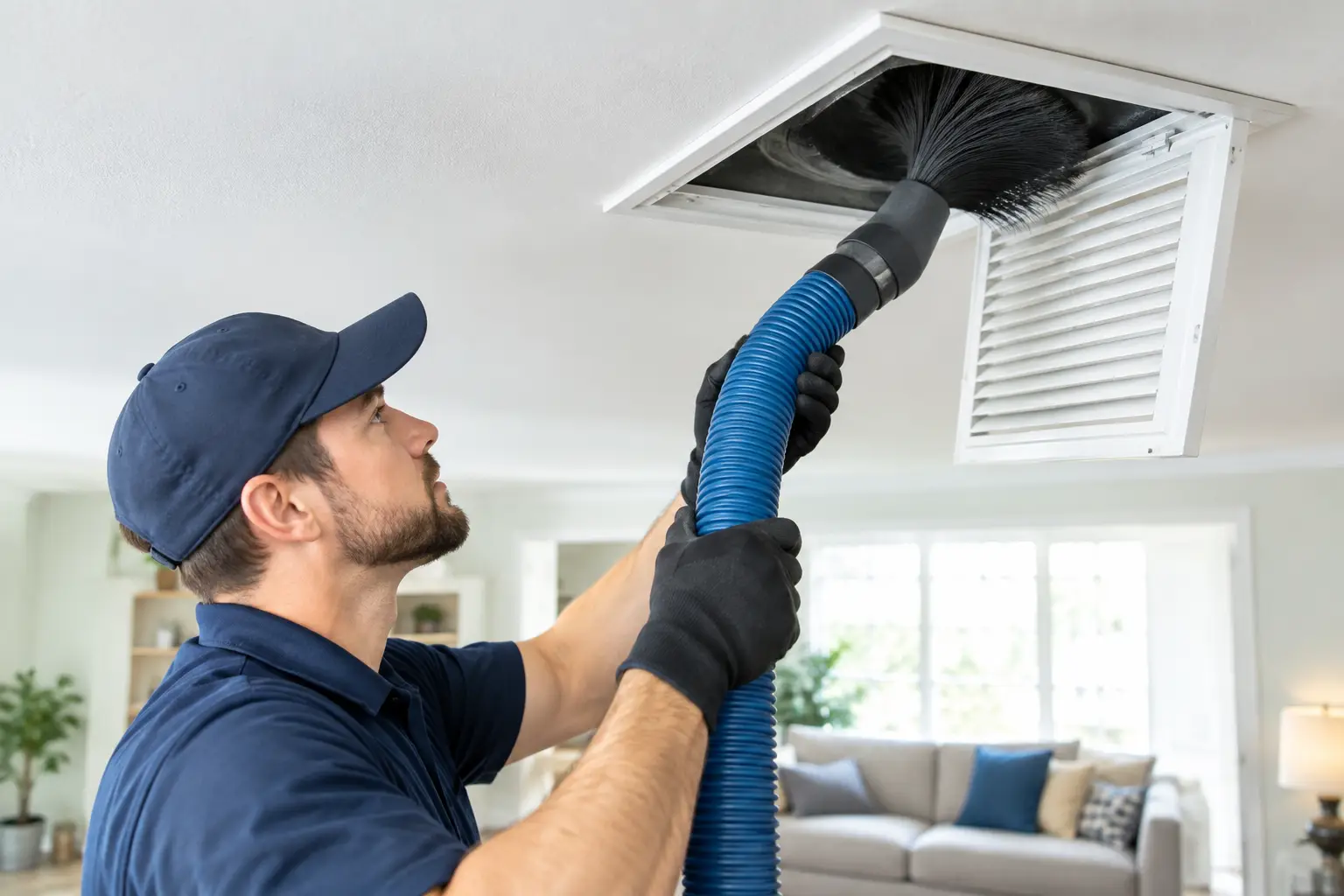
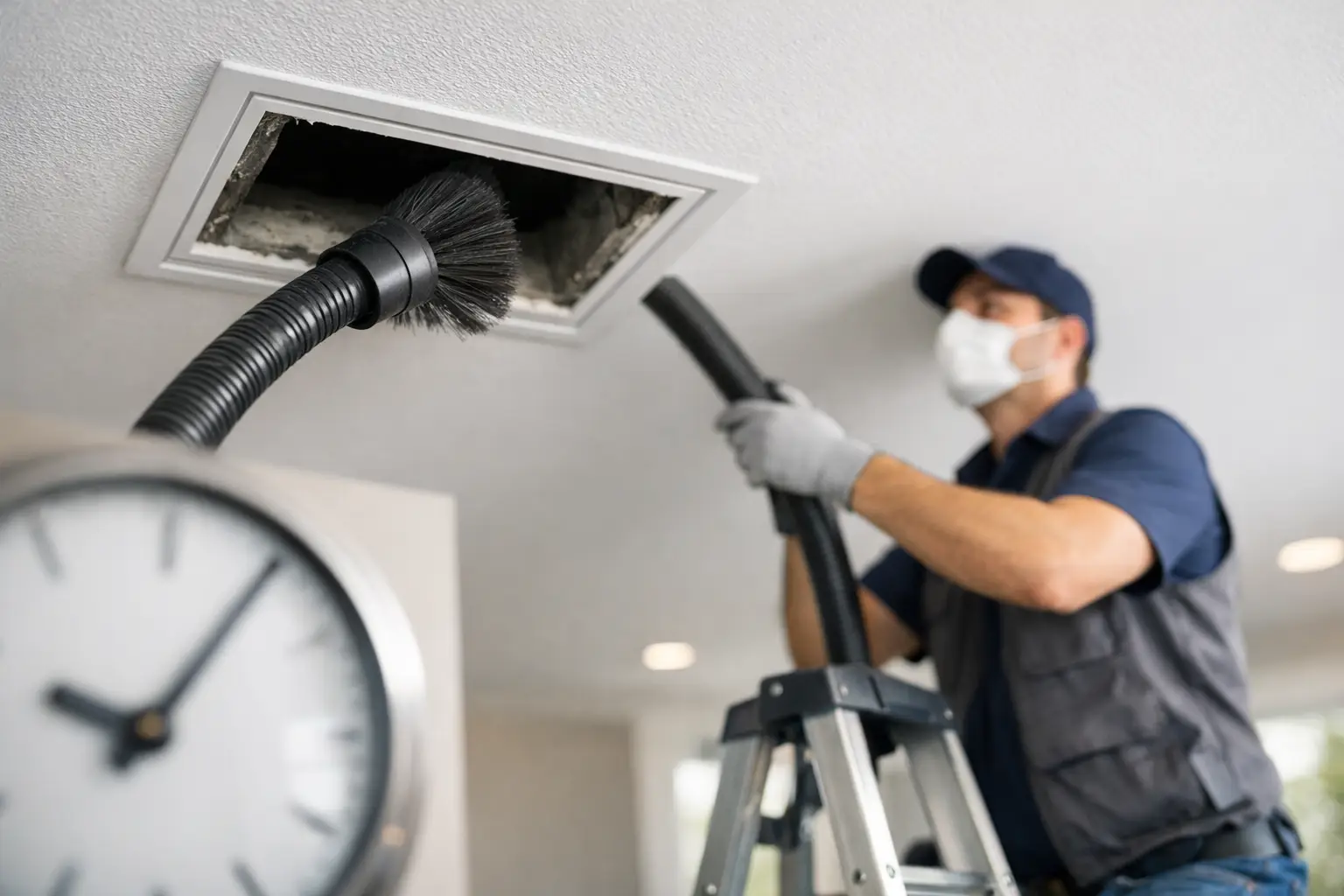
Professional duct cleaning can remove accumulated dust, debris, and contaminants from the duct system. It can reduce buildup that affects cleanliness, improve confidence after remodeling or occupancy changes, and support better indoor air quality when contamination is present.
What it cannot do is fix every comfort problem by itself. It will not correct undersized ductwork, stop air leaks, solve humidity issues, or repair a struggling HVAC system. If your energy bills are climbing or certain rooms never feel comfortable, the issue may involve airflow design, insulation, thermostat settings, or mechanical wear.
That is why experienced technicians do not treat duct cleaning as a one-size-fits-all solution. The goal is to recommend the service when it adds real value, not to force it into every visit.
How to know if you are being told the truth
A reliable recommendation should come with a reason you can understand. If someone says your ducts need cleaning, ask what they found. Visible debris at registers, evidence of post-construction dust, signs of contamination, or confirmed pest activity are all legitimate examples.
Be cautious with scare tactics. Homeowners are sometimes told that every trace of dust means urgent cleaning, or that annual duct cleaning is required no matter what. In most cases, that is simply not true. Dust exists in every building. The real question is whether there is enough buildup inside the system to justify professional service.
A good contractor should also explain if another service should come first. For example, if ducts are leaking, cleaning them without sealing them may not solve much. If the filter setup is poor, buildup may come back faster than expected.
The role of routine HVAC maintenance
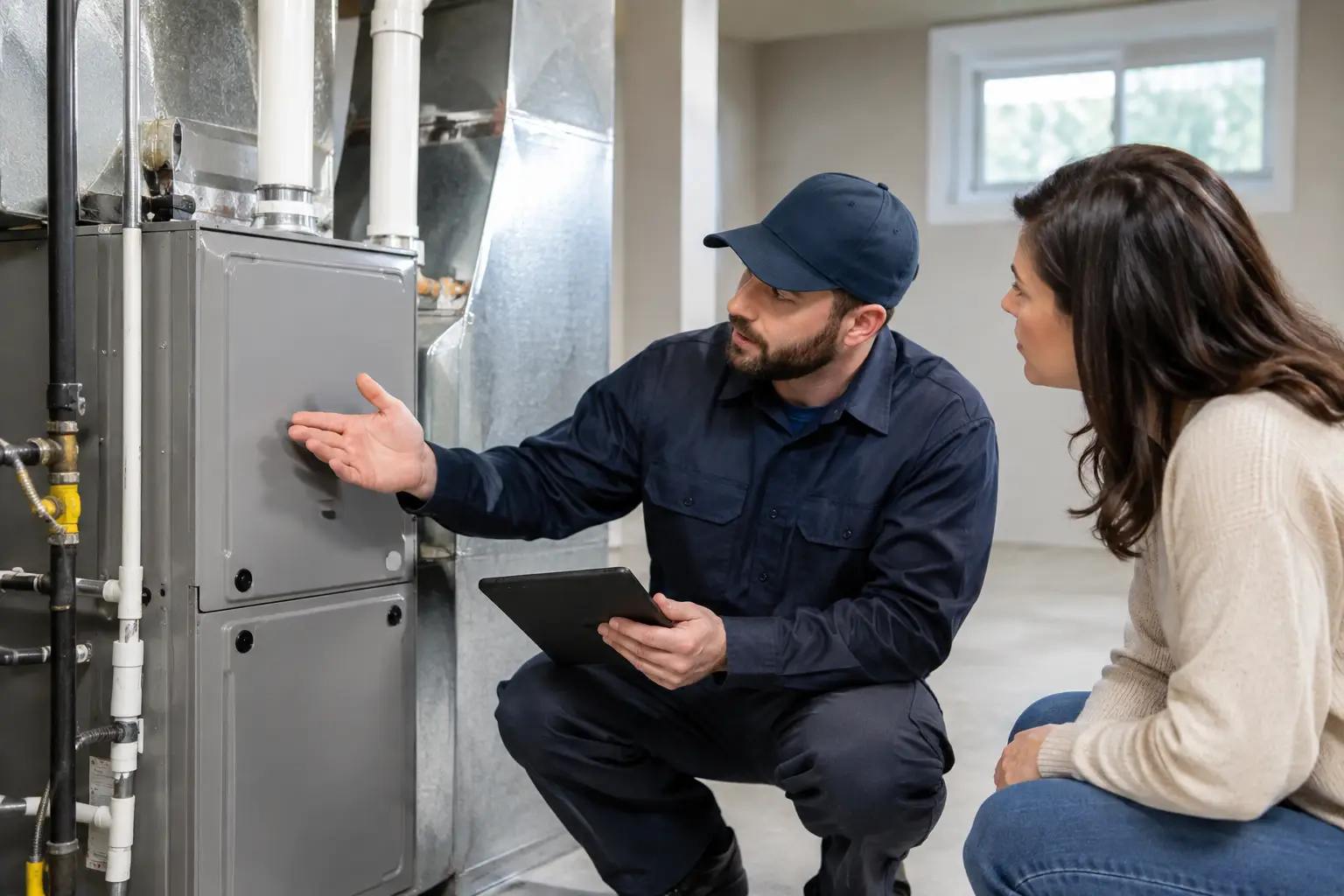
If you want to clean your ducts less often, regular HVAC maintenance makes a real difference. Clean filters, proper blower performance, and sealed duct connections all help keep debris from circulating and settling where it should not.
Routine maintenance also helps catch the conditions that lead to premature duct contamination. Weak airflow, moisture issues, clogged evaporator coils, and return-side leaks can all affect how clean the system stays over time. When those problems are addressed early, duct cleaning becomes less frequent and more effective when you do need it.
For property managers and business owners, this is especially important. Maintenance records make it easier to decide based on system condition instead of guessing. That saves money and reduces unnecessary service calls.
A practical schedule for homeowners and businesses
If you want a simple rule of thumb, start here. Homes with no major air quality issues and consistent filter changes can often check duct cleaning every 3 to 5 years. Homes with pets, allergy concerns, or heavy dust may want to consider every 2 to 3 years. After remodeling, pest activity, water damage, or smoke-related contamination, an inspection should happen right away.
Commercial properties vary more. A small office with limited foot traffic is not the same as a retail space, medical office, or mixed-use building. In those cases, it is smarter to build duct inspections into your broader HVAC maintenance plan and clean based on findings, occupancy, and system usage.
At Heating and Air Experts, that is the approach we believe in – honest guidance based on what your system actually needs. Not every duct system needs immediate cleaning, but when the signs are there, taking care of it can support cleaner air, better system performance, and more confidence in your indoor comfort.
If you are unsure where your property falls, the best next step is not guessing. It is having the system looked at by a qualified HVAC professional who can explain what they see, what matters, and what can wait. A clear answer is always better than an automatic sales pitch.