When your air conditioner not cooling becomes the problem of the day, comfort can disappear fast – especially during a Bay Area heat spell when your system is supposed to be doing its job. Sometimes the fix is simple. Other times, weak airflow or warm air is the first sign of a larger issue that should be addressed before it turns into a complete breakdown.
The good news is that not every cooling problem means you need a full system replacement. In many cases, the cause comes down to restricted airflow, thermostat settings, electrical issues, or a component that is starting to fail. The key is knowing what you can safely check on your own and when it makes more sense to bring in a certified technician for a proper diagnosis.
Why an air conditioner is not cooling
An AC system cools your home by moving heat out of the indoor air and releasing it outside. If one part of that process is interrupted, the system may still run but fail to lower the temperature the way it should. That is why homeowners are often surprised to find the unit humming along while the house stays warm.
Poor cooling can show up in different ways. You may notice warm air coming from the vents, certain rooms staying hot, the system running constantly, or indoor humidity feeling higher than normal. Each symptom points to a different category of problem, and the right repair depends on the actual cause rather than guesswork.
Thermostat problems can mimic bigger issues
Before assuming the AC itself has failed, start with the thermostat. Make sure it is set to cool, not fan, and that the temperature setting is lower than the current room temperature. If the display is blank, weak batteries or a power issue could be the reason the system is not responding correctly.
A thermostat can also lose calibration or develop wiring issues over time. In those cases, the system may cycle at the wrong times or fail to signal the equipment properly. That can make it seem like the air conditioner is not cooling when the control problem is really at the thermostat.
Dirty filters and blocked airflow are common
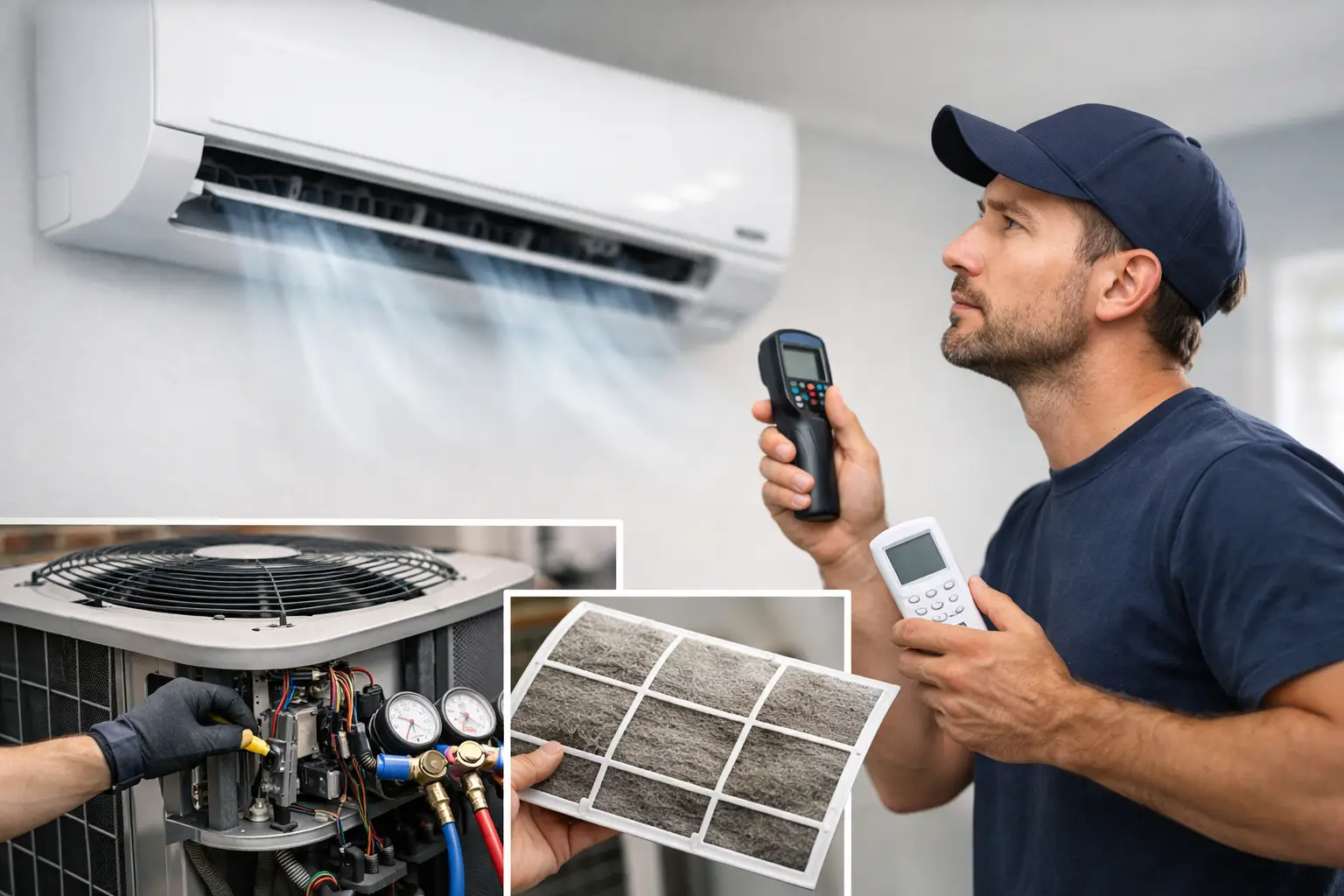
One of the most common reasons for poor AC performance is restricted airflow. A clogged air filter limits the amount of air moving across the evaporator coil, which can reduce cooling and put extra strain on the system. If left alone too long, it may even cause the coil to freeze.
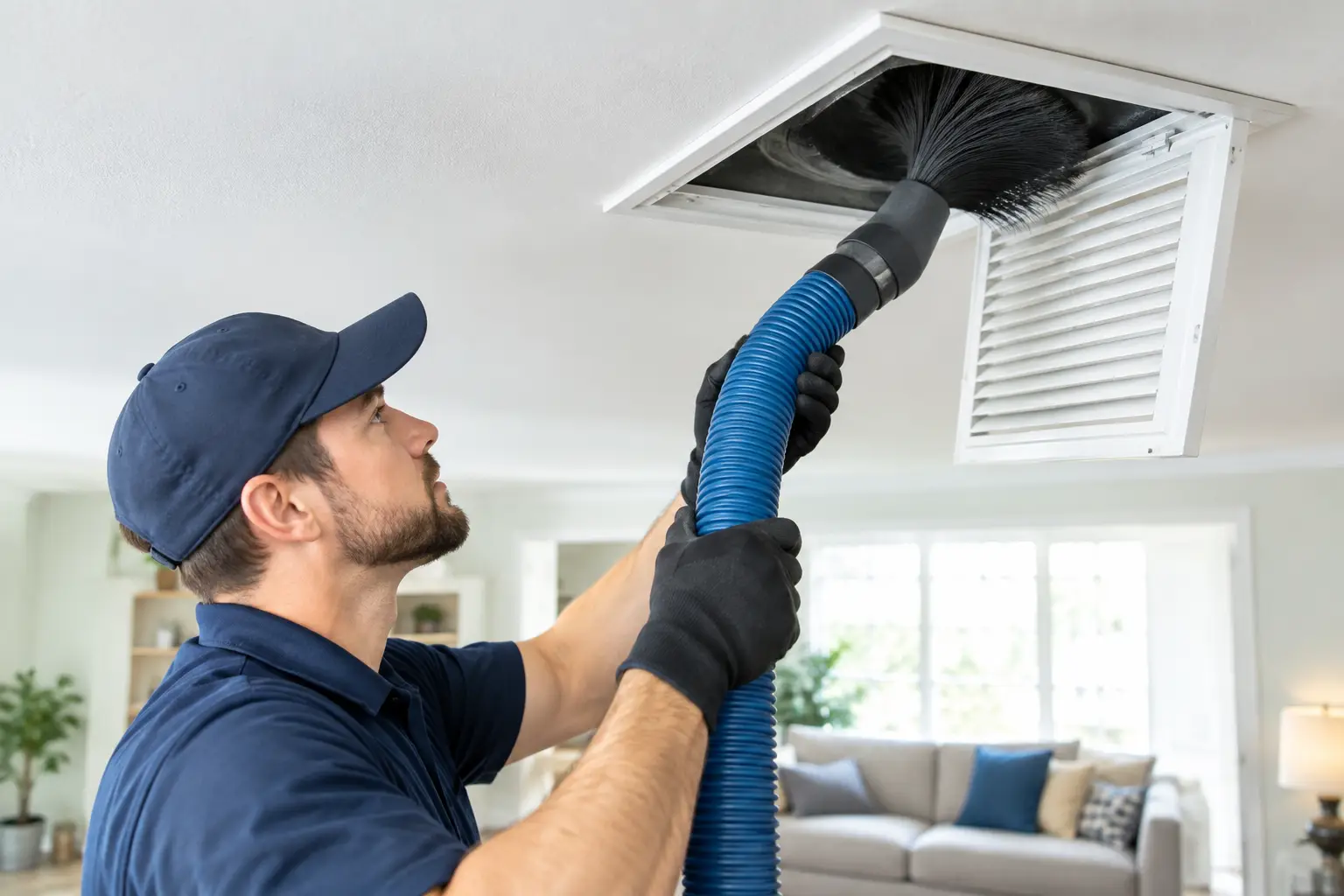
Blocked supply vents, closed registers, dirty ductwork, and a failing blower motor can create similar symptoms. The air may feel weak at the vents, rooms may cool unevenly, and the system may run longer without reaching the set temperature. These problems often start gradually, which is why they are easy to overlook until comfort drops noticeably.
Air conditioner not cooling after running all day
If your AC runs for hours and still cannot keep up, the issue may be more than routine maintenance. In some homes, the system is working harder because of poor insulation, air leaks, or unusually hot afternoon sun. But if the equipment used to cool properly under the same conditions and now does not, there is usually a mechanical or electrical reason.
Low refrigerant is one possibility. Refrigerant does not get “used up” like fuel, so if levels are low, that usually means there is a leak. Low refrigerant can lead to weak cooling, frozen coils, hissing sounds, and higher energy use. This is not a DIY fix. The system must be tested, repaired, and charged correctly.
A dirty outdoor condenser can also reduce performance. When the outdoor unit is coated with dirt, leaves, or debris, it cannot release heat efficiently. The system may continue operating, but the cooling process becomes less effective. That often leads to longer run times and warmer indoor temperatures.
Frozen evaporator coils
Frozen coils are another frequent culprit. It may sound strange for part of an air conditioner to freeze when the house is hot, but it happens when airflow is too low or refrigerant levels are off. Ice buildup prevents the coil from absorbing heat properly, so the AC stops cooling even though it may still appear to be running.
If you see ice on the indoor unit or refrigerant lines, turn the system off and switch the fan on if possible. That can help thaw the coil. Still, thawing alone does not solve the underlying issue. A technician should inspect the system to find out why it froze in the first place.
Electrical and capacitor issues
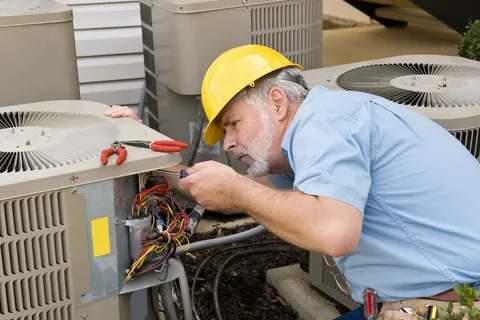
Sometimes the outdoor unit does not start properly, even though the indoor portion of the system seems normal. You might hear the thermostat click and the indoor fan run, but the air from the vents is not cold. That can happen if the capacitor, contactor, or another electrical component has failed.
Electrical issues can be tricky because the symptoms vary. The system may short cycle, fail to turn on consistently, or stop cooling without warning. Because these parts involve live voltage and system controls, professional testing is the safest and most reliable option.
What you can check before calling for service
A few basic checks can save time and help rule out simple causes. Start with the thermostat settings and replace the batteries if needed. Check the circuit breaker to see whether the AC has tripped. Replace a dirty filter if it has not been changed recently, and make sure supply vents are open and unobstructed by furniture or rugs.
Take a look at the outdoor unit as well. If the area around it is crowded with weeds, leaves, or stored items, clear some space so the equipment can breathe. You can also inspect the return vents inside the home to make sure they are not blocked. These steps will not fix every cooling issue, but they can resolve the obvious ones and help your technician if service is still needed.
What you should not do is open sealed electrical panels, handle refrigerant, or keep forcing the system to run when something is clearly wrong. Continuing to operate an AC that is frozen, overheating, or struggling to start can increase damage and lead to a more expensive repair.
When to call an HVAC professional
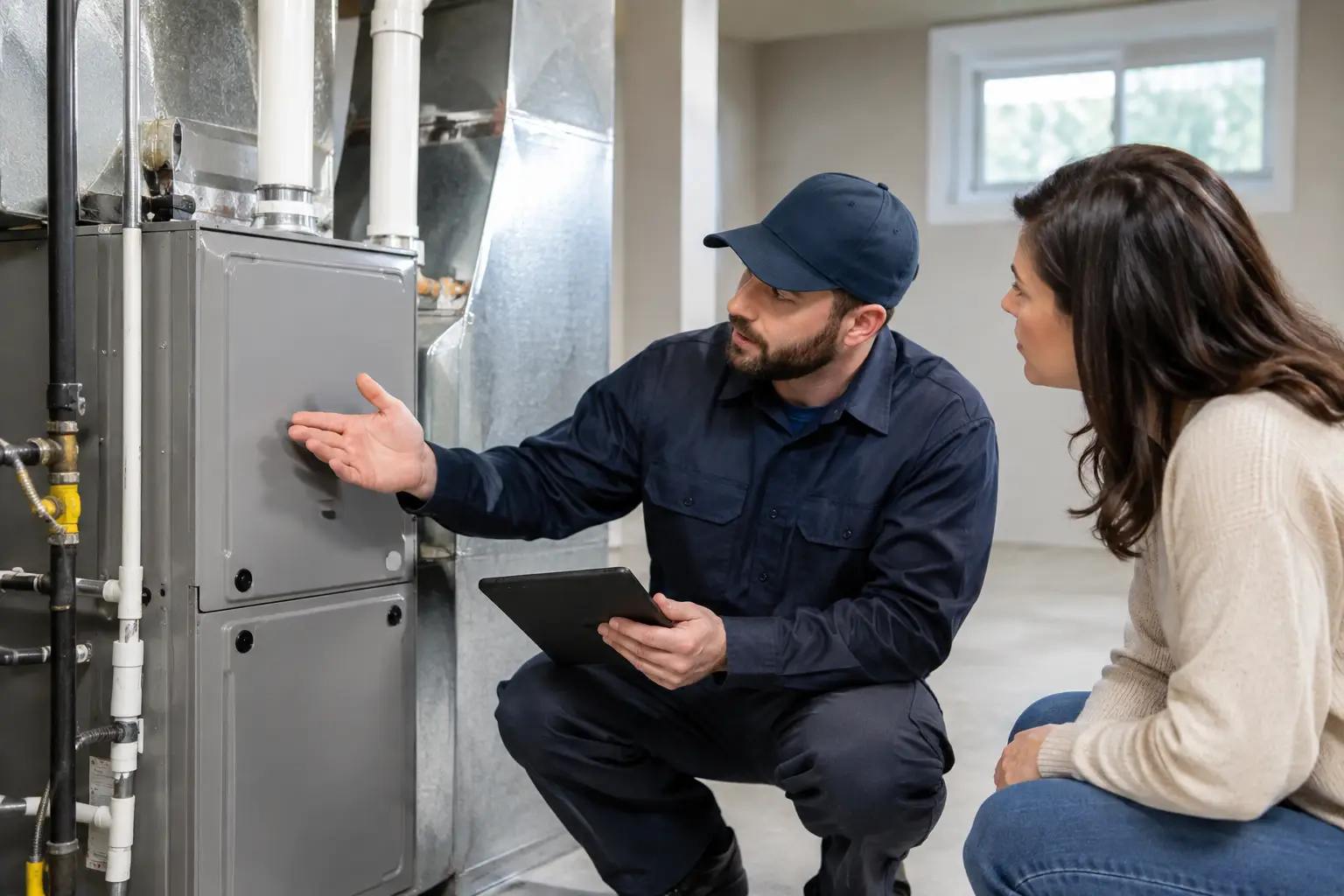
If you have checked the basics and your air conditioner is still not cooling, it is time for a full diagnostic. The same is true if the system is blowing warm air, making unusual noises, cycling erratically, leaking, or freezing up. These are signs that the problem is beyond a simple homeowner adjustment.
A trained HVAC technician can test refrigerant pressure, inspect coils, check motors and capacitors, evaluate airflow, and confirm whether the issue is repairable or part of a larger system decline. That matters because the right fix is not always the most obvious one. Replacing a single part may restore cooling in one case, while another system may need a more cost-effective upgrade due to age and repeated breakdowns.
For property managers and business owners, fast service matters even more. Cooling issues can affect tenants, employees, customers, and equipment. Prompt diagnosis helps reduce downtime and prevents small problems from becoming operational headaches.
Repair or replacement depends on the full picture
Not every struggling AC should be replaced. If the system is relatively new and the problem is isolated, repair is often the smart path. If the unit is older, inefficient, and needing frequent service, replacement may offer better long-term value. The answer depends on age, repair history, energy performance, and the condition of major components.
That is why honest guidance matters. A dependable HVAC company should explain what failed, what it will take to fix it, and whether investing in the current system still makes sense. Clear recommendations and upfront pricing help you make the right decision without pressure.
How to reduce the chance of future cooling problems
Routine maintenance remains the best way to catch AC issues early. Seasonal inspections can identify worn parts, dirty coils, drainage issues, and airflow restrictions before they interrupt comfort. Regular service also helps the system run more efficiently, which can reduce energy costs and extend equipment life.
Homeowners can help by changing filters on schedule, keeping vents clear, and paying attention to early warning signs like reduced airflow or longer cooling cycles. Those small details matter. In many cases, the first sign of trouble is subtle, and acting early can prevent a mid-season breakdown.
If your cooling system is struggling, dependable service makes all the difference. Heating and Air Experts provides trusted diagnostics, honest recommendations, and responsive repair support to help restore comfort quickly and keep your system performing the way it should. When your AC is not keeping up, getting the right answer early is often the fastest path back to a cool, comfortable space.