Heating Services in San Mateo, CA can address cold rooms, furnace issues, airflow, thermostat problems, maintenance needs, repairs, and system performance.
A heating system can still turn on while leaving parts of a home uncomfortable. One bedroom may stay colder than the rest of the house, the furnace may cycle more often than expected, or airflow from certain vents may feel weak. Strange noises, unusual odors, thermostat problems, and rising operating demands can also indicate that the system needs professional attention. Heating and Air Experts provides residential and commercial HVAC services for properties throughout the Bay Area.
Professional Heating Services can involve troubleshooting, repairs, maintenance, equipment installation, safety checks, and system replacement depending on the condition of the property and equipment. The best starting point is identifying the exact comfort problem rather than assuming that every heating issue requires a new system. Airflow, thermostat settings, filters, equipment condition, ductwork, and system sizing can all influence indoor temperature. Reviewing these connected components helps homeowners make better decisions about repairs and future upgrades.
Start With the Rooms That Feel Different
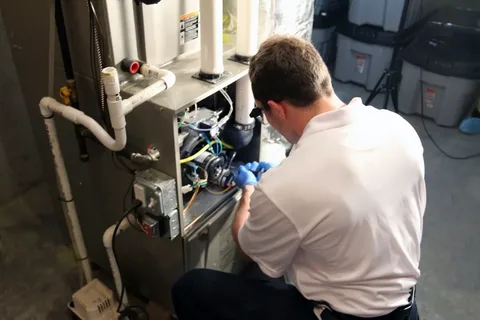
The company’s dedicated Heating Services include heating system repair, installation, equipment selection, safety checks, and ongoing maintenance for residential and commercial properties.
Before scheduling service, homeowners can pay attention to where discomfort occurs. A whole house that stays cold may point toward a different issue than one bedroom that never seems to warm properly.
Check whether the problem happens all day or only during certain periods. It can also help to notice whether the system runs continuously, shuts off quickly, or struggles after nighttime temperatures drop.
These details give technicians useful information before testing begins. They can also help separate an equipment problem from airflow, thermostat, or room-specific concerns.
Do Not Ignore Weak Airflow From Supply Vents
Warm air cannot condition a room effectively if airflow is restricted.
A dirty filter is one possible cause, but airflow can also be affected by closed registers, duct problems, blower concerns, or other HVAC conditions. Homeowners should avoid assuming that increasing the thermostat setting will solve poor air movement.
Check accessible supply vents to make sure furniture, rugs, or storage items are not blocking them.
If airflow remains noticeably different between rooms, professional evaluation may be appropriate. A technician can consider whether the issue is related to the heating equipment or the air-distribution system.
Homeowners arranging heating repair in San Mateo, CA should mention which rooms feel uncomfortable and which vents appear weaker than others. This can make troubleshooting more focused.
Pay Attention to Short Cycling
A heating system that starts and stops frequently may be short cycling.
Several conditions can contribute to this behavior, including thermostat problems, airflow restrictions, equipment issues, or system sizing. Because several causes can produce a similar symptom, repeatedly adjusting the thermostat may not resolve the underlying problem.
Short operating cycles can also make temperature control feel inconsistent because the system does not remain on long enough to distribute heat evenly.
Homeowners should note how frequently the system starts, how long it runs, and whether the behavior changes during colder periods.
This information can help during diagnostic service and may reveal whether the problem happens under particular operating conditions.
Check the Thermostat Before Assuming the Furnace Failed
The thermostat is the control point for the heating system, so simple setting or communication problems can sometimes resemble equipment failure.
Confirm that the system is set to the correct heating mode and that the selected temperature is higher than the current room temperature. If the thermostat uses batteries, those may also need attention depending on the model.
A thermostat positioned near direct sunlight, exterior drafts, appliances, or other heat sources may read room conditions differently from the rest of the home.
If the thermostat appears unresponsive or temperatures differ significantly from its reading, it may need professional evaluation.
Heating and Air Experts also provides thermostat services, making control issues part of the larger HVAC system rather than an unrelated component.
Replace or Check Filters Regularly
Air filters help protect HVAC equipment while supporting airflow through the system.
A heavily loaded filter can restrict air movement and force the equipment to operate under less favorable conditions. How frequently filters require attention depends on the filter type, household conditions, pets, system use, and indoor environment.
Homeowners should follow the specifications appropriate for their HVAC system instead of choosing the most restrictive filter without considering airflow requirements.
When checking a filter, look at its condition rather than relying only on a calendar date.
A clean filter will not repair a mechanical problem, but filter maintenance is a basic step that can prevent an avoidable restriction from complicating heating performance.
Unusual Furnace Noises Deserve Attention
Heating equipment naturally makes some sound during startup, operation, and shutdown. New or significantly louder noises are different.
Rattling, repeated clicking, grinding, scraping, or strong vibration can indicate that something has changed within the system or surrounding components.
Homeowners should avoid opening equipment panels or trying to repair moving or electrical components themselves.
Instead, note when the noise occurs. A sound that appears only during startup may have a different cause from one that continues throughout the entire heating cycle.
Early evaluation is useful because a developing mechanical problem may become more disruptive if the system continues operating without inspection.
Treat Burning or Unusual Odors Carefully
Some heating systems may produce a temporary dusty smell when first used after a long inactive period, but persistent or unusual odors should not be ignored.
Burning smells, electrical odors, fuel-related odors, or smoke require appropriate caution. If there is any concern about immediate safety, homeowners should stop using the equipment when safe to do so and follow appropriate emergency procedures.
Do not assume that every odor is caused by dust.
Heating equipment includes electrical and mechanical components, and certain systems involve combustion. Professional inspection is appropriate when a smell is strong, unfamiliar, or continues during operation.
Safety concerns should take priority over maintaining indoor temperature.
Maintenance Can Catch Problems Before a Cold Day
Heating equipment often receives the most attention when it stops working, but routine maintenance can identify developing issues earlier.
A service visit may involve checking system operation, controls, accessible components, airflow-related conditions, and other parts of the heating setup depending on the equipment.
Maintenance does not guarantee that a system will never fail. It provides an opportunity to notice wear, performance changes, or service needs before the equipment is placed under heavier demand.
Scheduling before the coldest period can also make planning easier than waiting until the home is already uncomfortable.
Regular attention is particularly useful for older systems or equipment that has experienced repeated repairs.
Know When Repair and Replacement Need to Be Compared
Not every furnace or heating system problem requires replacement.
A single repair may make sense when the equipment remains in reasonable condition and the problem is limited to a serviceable component. Replacement becomes more worth discussing when breakdowns become frequent, important components deteriorate, or the system no longer provides dependable comfort.
Homeowners should consider the complete condition of the equipment rather than relying on age alone.
Repair history, operating performance, comfort problems, and the availability of appropriate parts can all influence the decision.
A professional assessment should explain what is wrong with the current system and what would be involved in correcting it before the homeowner chooses between repair and replacement.
Plan New Heating Equipment Around the Property
When replacement is appropriate, selecting equipment should involve more than choosing a familiar brand or larger unit.
The home or commercial space, existing duct system, electrical or fuel requirements, property size, insulation, and comfort needs can all influence the system choice.
Oversized equipment is not automatically better. A heating system should be selected around the building it serves.
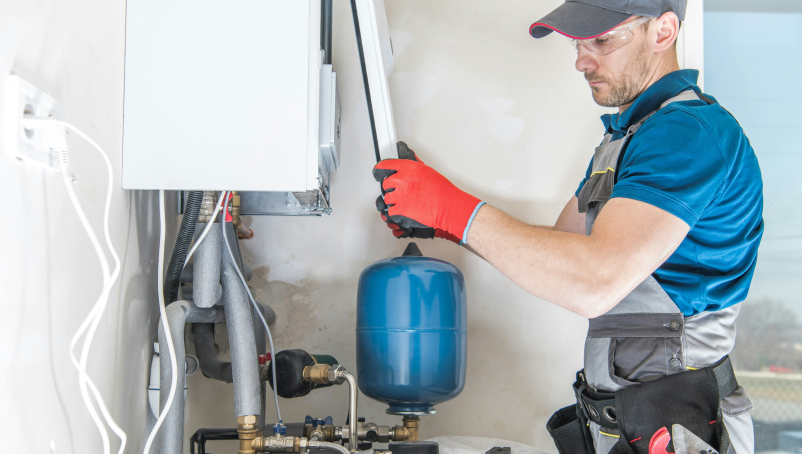
Heating and Air Experts states that its heating work includes equipment selection, installation, testing, and ongoing maintenance, allowing system planning to consider more than the physical replacement itself.
Homeowners should also discuss whether other HVAC improvements are planned so the new equipment can work within the broader comfort system.
Coordinate Heating Work With Duct Conditions
Heating equipment depends on the duct system to distribute conditioned air throughout many homes.
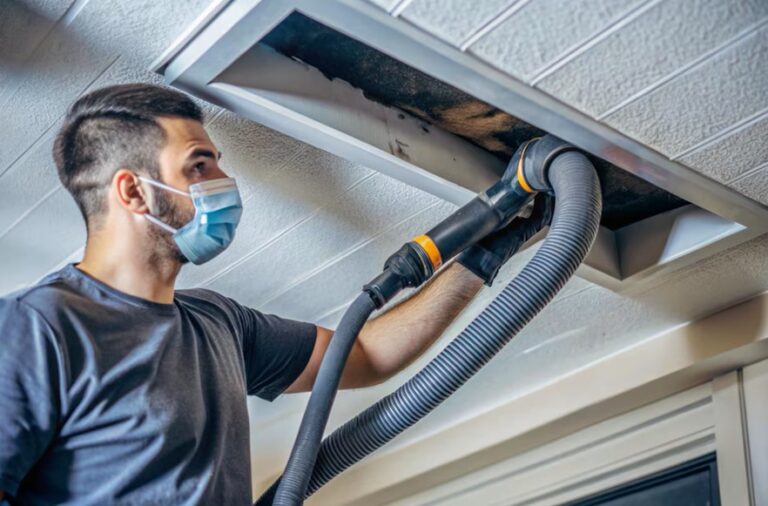
Damaged, disconnected, restricted, or poorly balanced ducts can contribute to uncomfortable rooms even when the heating unit itself is operating.
This is one reason a persistent temperature difference should not automatically lead to furnace replacement.
The location and condition of return-air pathways also matter because the system needs to move air back through the HVAC equipment.
Homeowners who have completed remodeling, additions, or other construction should mention those changes during heating service. Room layouts and airflow needs may have changed since the original HVAC system was installed.
Do Not Block Access to Heating Equipment
Furnaces and related HVAC components need reasonable service access.
Storage boxes, shelving, household items, or business inventory should not make it difficult for technicians to reach the equipment when inspection or repair is required.
Keeping the surrounding area clear can also make it easier for homeowners to notice water, unusual sounds, visible damage, or other changes.
Equipment rooms should not become general storage areas without considering access and safety.
This becomes especially important during an unexpected heating problem when quick diagnosis is more useful than spending time moving belongings out of the way.
Plan for Heating Problems Before They Become Urgent
Heating failures are easier to manage when homeowners already know where the equipment is located, how to shut it down when necessary, and who to contact for service.
Keep basic information about the system available, including previous repairs or installation records when possible.
If one room has been colder for months, do not wait until the system completely stops before mentioning it. Long-standing comfort problems can provide useful diagnostic clues.
For homeowners seeking residential heating service in San Jose, CA, early evaluation can help distinguish routine maintenance needs from equipment, thermostat, or airflow problems before colder conditions increase demand.
Conclusion
Heating Services can address a wide range of comfort problems, from weak airflow and thermostat concerns to equipment repairs, maintenance, and full system replacement. The best solution depends on the actual cause rather than the most visible symptom.
In San Mateo, homeowners dealing with cold rooms or inconsistent heating can begin by monitoring airflow, thermostat behavior, operating cycles, and unusual noises. In San Jose, the same approach can help property owners identify whether a problem involves the heating unit itself or another part of the HVAC system.
Heating and Air Experts provides heating support for residential and commercial properties throughout its service area. Addressing small changes in performance early and keeping equipment accessible for maintenance can help homeowners make more informed decisions about repairs and future heating upgrades.
Frequently Asked Questions
What do Heating Services typically include?
The company’s heating service includes system repair, equipment installation, equipment selection, safety checks, testing, and ongoing maintenance for residential and commercial heating systems.
Why is one room colder than the rest of my home?
Uneven temperatures can be related to airflow, blocked vents, duct conditions, insulation, thermostat location, or other HVAC factors. The cause should be evaluated instead of assuming the heating unit has failed.
Why does my heater turn on and off so often?
Frequent cycling can have several causes, including thermostat problems, airflow restrictions, equipment issues, or system sizing. Professional troubleshooting can help identify the specific reason.
Should I replace my heating system if it needs a repair?
Not necessarily. The decision should consider the type of repair, equipment condition, repair history, comfort performance, and whether the system continues to meet the property’s needs.
Can a dirty filter affect heating performance?
Yes. A heavily loaded filter can restrict airflow. Filter condition should be checked regularly using the type and replacement guidance appropriate for the HVAC system.
When should I schedule professional heating service?
Schedule service when the system stops heating correctly, develops unusual sounds or odors, cycles abnormally, produces weak airflow, or shows other changes in normal operation. Preventive maintenance can also be scheduled before periods of heavier use.