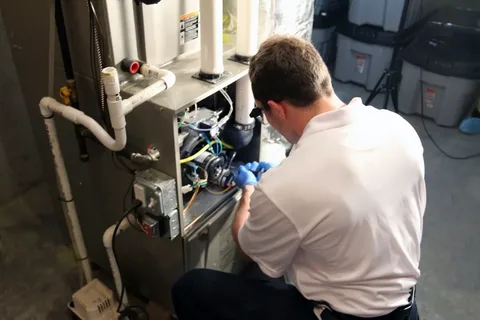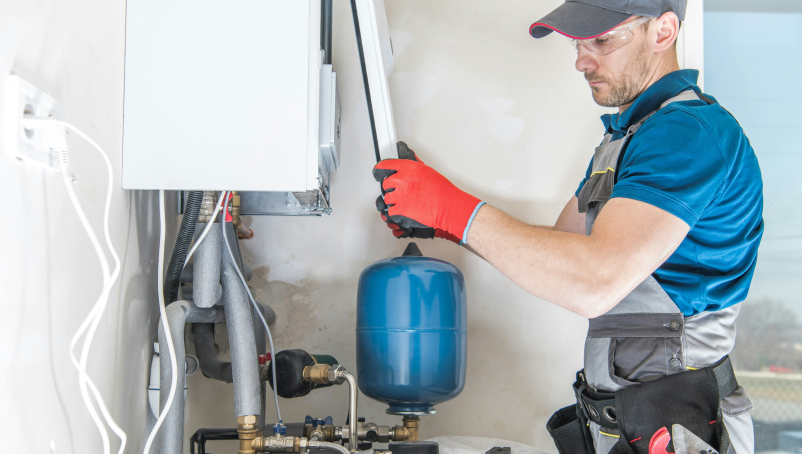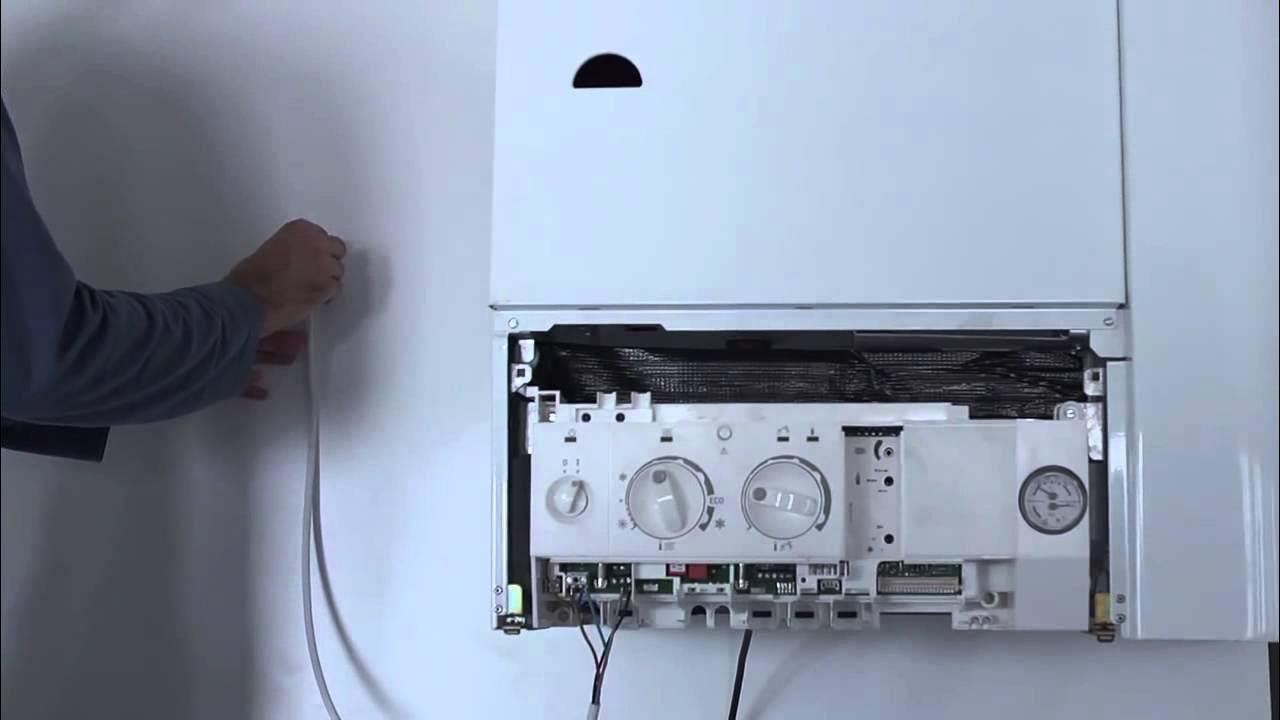
Improve home comfort with Thermostat Installation in Fremont, CA. Learn about smart controls, compatibility, setup, energy use, and HVAC performance today.
A thermostat may be one of the smallest parts of an HVAC system, but it has a major role in how consistently a home or business heats and cools. When a thermostat reads temperatures incorrectly, loses connection with the equipment, or no longer fits the way a property is used, comfort problems can develop even when the heating and cooling equipment itself is working. Professional Thermostat Installation can help property owners move from an outdated control to a digital, programmable, or smart model that works properly with the existing HVAC setup. Heating and Air Experts provides heating, cooling, air duct cleaning, and thermostat services for homes and businesses in its Bay Area service locations.
A successful thermostat upgrade involves more than mounting a new device on the wall. Wiring, equipment compatibility, placement, programming, and system response all matter.
When Does a Thermostat Need to Be Replaced?
The company’s Thermostat Installation service includes installation and upgrades for modern thermostat controls, along with setup and programming guidance. Understanding these details before replacing a thermostat can help homeowners choose a control that matches both their HVAC equipment and everyday comfort needs.
A thermostat does not always need replacement simply because the HVAC system is having trouble. Heating or cooling problems can originate elsewhere in the equipment, so correct diagnosis matters before assuming the wall control is responsible.
However, several symptoms can point toward thermostat trouble. A display that repeatedly goes blank, controls that do not respond, inaccurate temperature readings, unexpected system cycling, or difficulty maintaining the selected temperature can justify closer inspection. An older thermostat may also lack the scheduling and remote-access features a homeowner wants.
Sometimes replacement is part of a larger HVAC update rather than a response to a failure. A homeowner installing new heating or cooling equipment may want a thermostat that better supports the new system. Others may replace a basic manual model because their daily schedule has changed and programmable temperature settings would be more convenient.
The key is determining whether the thermostat is compatible with the HVAC equipment and whether replacing it will address the actual comfort problem. Installing a newer control will not correct airflow restrictions, equipment failures, or other unrelated mechanical concerns.
Choosing Between Digital, Programmable, and Smart Controls
Thermostats come with different levels of control, and the most advanced option is not automatically the right choice for every property. The best fit depends on the HVAC system, household schedule, desired features, and how comfortable the occupants are with connected technology.
A basic digital thermostat provides straightforward temperature adjustment and a clear display. For homeowners who prefer simple controls and maintain similar temperatures throughout the day, this can be enough.
Programmable thermostats allow scheduled temperature changes. A household can set different temperatures for sleeping hours, working hours, or times when the home is normally empty. This can reduce unnecessary HVAC operation without requiring someone to adjust the temperature manually several times each day.
Smart thermostats add features such as Wi-Fi connectivity, app-based control, usage information, and in some models, automatic scheduling. These features can be useful for people who travel, work changing hours, manage rental properties, or simply want easier access to their home’s temperature settings.
Heating and Air Experts states that its thermostat services include smart and programmable options, allowing customers to choose a control based on their particular system and preferred level of automation.
HVAC Compatibility Should Come Before Features
One of the most important parts of selecting a new thermostat is determining whether it can communicate correctly with the existing heating and cooling system.
Not every thermostat works with every type of equipment. HVAC systems may have different wiring arrangements, operating stages, heat pump controls, auxiliary heat requirements, or power needs. A thermostat that appears suitable based on its consumer features may still require specific wiring or system support that an older property does not have.
This is particularly relevant when installing a Wi-Fi-enabled thermostat. Some modern thermostats need continuous electrical power through a common wire, often called a C-wire. Older thermostat setups may not have that connection available at the wall.
Compatibility should therefore be confirmed before purchasing and installing the device. Checking the HVAC equipment, existing thermostat wiring, and manufacturer requirements can prevent installation problems and reduce the risk of choosing a control that cannot operate all system functions correctly.
For homeowners considering thermostat installation in Fremont, CA, an assessment of the existing HVAC setup can help establish whether a direct replacement is practical or whether additional wiring or configuration may be needed.
Why Thermostat Placement Affects Temperature Control
Even a properly wired thermostat can produce frustrating results when it is installed in a poor location. The thermostat measures the temperature immediately around it and uses that reading to decide when heating or cooling should operate.
A location exposed to direct sunlight can become warmer than the rest of the house, potentially causing cooling equipment to operate based on an unrepresentative reading. A thermostat near an exterior door may experience drafts. Placement beside a supply register, heat-producing appliance, or other unusual temperature source can create similar problems.
Ideally, the control should measure conditions that reasonably represent the occupied portion of the property. Existing thermostat locations are often suitable, but placement deserves attention if a home has experienced ongoing temperature inconsistencies.
Homeowners remodeling an interior space should also consider thermostat location before completing walls or making major layout changes. Moving the control later can require additional wiring work.
Good placement will not solve every HVAC balance problem, but it gives the system better temperature information and helps the thermostat perform its intended role.
What Happens During a Thermostat Installation?
The installation process begins by reviewing the existing thermostat and HVAC configuration. Power to the appropriate equipment should be handled correctly before wiring changes are made. The old thermostat can then be removed so the wire connections and available conductors can be evaluated.
The new thermostat is mounted and connected according to the system requirements. If the device includes smart features, additional setup may involve connecting it to the property’s Wi-Fi network, configuring schedules, and adjusting preferences.
After installation, both heating and cooling functions should be tested where appropriate. The thermostat should respond to temperature changes and send the correct calls to the HVAC equipment. System operation should also be observed to make sure the new control is communicating properly.
This testing stage is easy to overlook, but it is important. A thermostat that powers on successfully is not necessarily configured correctly. Heating stages, cooling stages, fan controls, or heat pump settings can still require adjustment.
The homeowner should also understand the basic settings before the installation is considered complete. Knowing how to change schedules, switch operating modes, adjust temperatures, and use remote controls makes the new device more useful.
Programming Around Real Household Schedules
The value of a programmable or smart thermostat depends partly on how its settings match the way a property is actually occupied.
A household where everyone leaves at approximately the same time each weekday may benefit from predictable scheduled adjustments. Someone working from home may need a different pattern because large daytime setbacks could reduce comfort. Families with changing work shifts may prefer remote control rather than a rigid schedule.
Temperature changes should also be reasonable. Constantly making large manual adjustments can cause occupants to feel uncomfortable and may lead to unnecessary system operation depending on the equipment and conditions.
Instead, schedules should reflect normal routines. Morning preparation, daytime occupancy, evenings, and sleeping hours provide useful starting points. Smart thermostat features may make these adjustments easier to manage, but homeowners should still review the settings instead of assuming the default program matches their needs.
A practical setup aims for consistent comfort while avoiding heating or cooling an empty property more than necessary.
Thermostat Problems Are Not Always Thermostat Problems
One reason professional evaluation can be valuable is that several HVAC issues can look like thermostat failures.
Suppose the display shows the correct setting, but certain rooms remain uncomfortable. The problem might involve ductwork, airflow, insulation, equipment sizing, or another part of the HVAC system. If the equipment does not start at all, the cause could involve electrical power, controls, or the heating and cooling unit itself.
Frequent cycling can also have several possible causes. Replacing the thermostat without investigating the overall system may leave the original problem unresolved.
Homeowners should describe the symptoms as specifically as possible. Note whether the display is working, whether the fan starts, how long the system operates, whether the indoor temperature matches the displayed reading, and whether the issue occurs in heating mode, cooling mode, or both.
Those observations provide useful information when determining whether thermostat replacement, repair, configuration, or another HVAC service is appropriate.
Planning a Thermostat Upgrade for Long-Term Use
Before choosing a new thermostat, think beyond the immediate installation. Consider which features will genuinely be used over the next several years.
Remote access may be valuable for someone who travels frequently. Programmable scheduling can be useful for households with predictable routines. A simple digital control may make more sense for someone who prefers easy manual operation without apps or connected accounts.
Ease of use matters as much as technical capability. A thermostat filled with features has limited value if the people in the property find it confusing and continually override the settings.
Property owners should also keep basic thermostat information available after installation, including the model and setup instructions. This can make future troubleshooting, programming changes, or HVAC service easier.
Customers looking into smart thermostat service in Oakland, CA can also consider how a new thermostat fits into the wider heating and cooling system rather than treating it as an isolated device. Compatibility, correct setup, and practical programming all contribute to reliable everyday operation.
Maintaining Reliable Thermostat Performance
Thermostats generally require less maintenance than major HVAC equipment, but they should still be included in routine comfort checks.
Homeowners can occasionally compare the displayed room temperature with how the space actually feels and watch for unusual changes in system behavior. Battery-powered models may require battery replacement, while smart thermostats should remain properly connected to the home’s network if remote features are being used.
Keep the area around the thermostat clear. Covering it with furniture, decorations, or other objects can interfere with normal temperature sensing. If interior remodeling changes airflow or exposes the thermostat to a new heat source, its location may need to be reconsidered.
It is also worth reviewing programmed schedules when household routines change. Settings created for one work schedule may no longer make sense months later.
Simple attention to these details can help the thermostat continue doing its job accurately while making it easier to notice when professional troubleshooting may be appropriate.
Conclusion
Thermostat Installation can improve how homeowners interact with their heating and cooling systems, but selecting the right device requires more than choosing attractive smart features. HVAC compatibility, wiring, thermostat placement, programming, and final system testing all influence how well the control performs.
For properties in Fremont and Oakland, a thermostat upgrade may make sense when an existing control is outdated, unreliable, difficult to use, or no longer meets the owner’s comfort preferences. It can also be a practical part of a broader HVAC replacement or improvement project.
Heating and Air Experts provides thermostat services alongside its heating and cooling work. By reviewing the existing system first and choosing a thermostat that matches both the equipment and the way the property is occupied, homeowners can create a more practical approach to everyday temperature control.
Frequently Asked Questions
How do I know if my thermostat needs to be replaced?
Possible warning signs include an unresponsive display, inaccurate temperature readings, inconsistent system operation, repeated loss of power, or controls that no longer communicate correctly with the HVAC equipment. Proper diagnosis is still important because similar symptoms can originate elsewhere in the system.
Can I install any smart thermostat with my current HVAC system?
No. Compatibility depends on the type of heating and cooling equipment, wiring configuration, available power, system stages, and thermostat requirements. Compatibility should be confirmed before selecting a model.
What is a C-wire, and why might a smart thermostat need one?
A C-wire provides continuous low-voltage power to certain thermostats. Some smart controls require this connection to operate their displays, Wi-Fi, and other electronic features. Older thermostat wiring may not include one.
Where should a thermostat be installed in a home?
A thermostat should generally be positioned where it can measure representative indoor conditions. Areas affected by direct sunlight, drafts, supply vents, exterior doors, or heat-producing appliances may produce misleading temperature readings.
Can thermostat installation improve HVAC energy efficiency?
A properly configured programmable or smart thermostat can help reduce unnecessary heating or cooling by allowing schedules and temperature adjustments based on occupancy. Actual results depend on household habits, equipment condition, building characteristics, and chosen settings.
Should my thermostat be replaced when I install new HVAC equipment?
Not always, but it is worth checking compatibility. New HVAC equipment may have operating features or control requirements that an older thermostat cannot support. Reviewing both components together can help determine whether keeping or replacing the existing thermostat makes sense.