Learn how air duct cleaning in San Francisco, CA removes dust and debris, supports airflow, and helps maintain cleaner residential and commercial HVAC systems.
Dust, debris, pet hair, and other particles can gradually collect inside an HVAC duct system as heated and cooled air moves through a property. When buildup becomes noticeable around vents or airflow seems weaker than usual, professional duct cleaning may be worth considering. Heating and Air Experts LLC provides residential and commercial HVAC services, including heating, cooling, thermostat work, and air duct cleaning. A duct-cleaning project involves more than wiping visible vent covers. The supply ducts, return ducts, registers, and accessible HVAC components should be considered as parts of the same air-distribution system. Property owners in San Francisco, Walnut Creek, and nearby communities can benefit from understanding what duct cleaning addresses, when it may be useful, and how HVAC maintenance affects the condition of the system. This guide explains common signs of duct buildup, the cleaning process, maintenance considerations, airflow concerns, and what to ask before scheduling service.
Why Air Duct Cleaning May Be Needed
Air ducts distribute conditioned air from heating and cooling equipment to different areas of a building. Return ducts then carry air back toward the HVAC system.
Dust and Debris Accumulation
Small particles can enter through return-air pathways, open registers, renovation work, everyday household activity, and other sources. Filters capture much of this material, but buildup can still develop in parts of the duct system over time.
Visible dust around registers does not automatically mean every duct is heavily contaminated, so the condition of the system should be evaluated before cleaning is recommended.
Airflow Concerns
Debris around registers or significant accumulation inside accessible duct sections may interfere with normal airflow. Other problems, such as clogged filters, damaged ductwork, closed dampers, or HVAC equipment issues, can produce similar symptoms.
A professional inspection can help determine what is actually affecting air movement.
Common Signs Ductwork Needs Attention
There is no single symptom that proves a complete duct cleaning is required. Several conditions together can provide a better reason to inspect the system.
Visible Dust Around Registers
If dust quickly returns around supply registers after normal cleaning, some material may be present farther inside the duct or nearby HVAC components.
Registers themselves should also be cleaned because dirt can collect directly on their surfaces.
Debris Entering Rooms
Particles coming from vents when the system begins operating may indicate buildup near an outlet or inside part of the distribution system.
Professional air duct cleaning can involve inspection and cleaning of ducts, vents, returns, and accessible HVAC components rather than focusing only on what can be seen from the room.
Uneven Airflow
Rooms receiving noticeably different airflow may require HVAC evaluation. Dirty ducts can be one factor, but duct leaks, layout problems, closed registers, equipment performance, and filter condition should also be considered.
What Professional Air Duct Cleaning Includes
The exact process depends on the duct configuration, system accessibility, and condition of the HVAC equipment.
Inspecting the Duct System
A technician may first review supply registers, return vents, accessible ducts, and nearby system components.
This allows the condition of the ductwork to be considered before equipment is set up and helps identify whether there are other HVAC concerns that cleaning alone will not correct.
Removing Loose Material
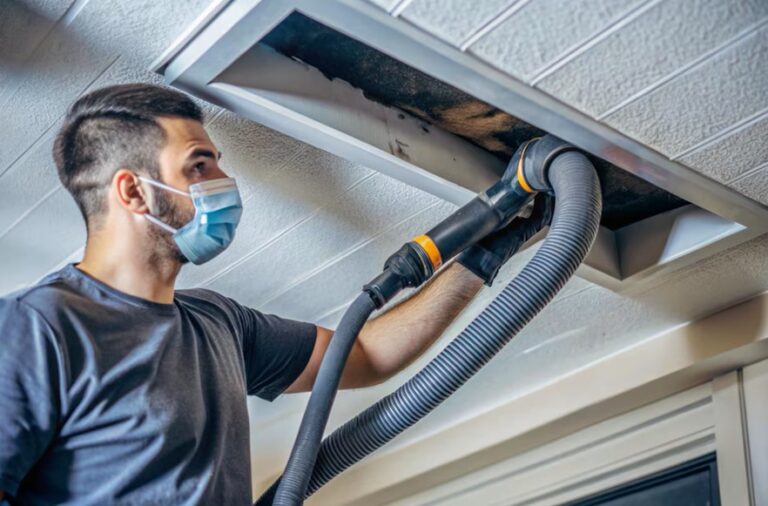
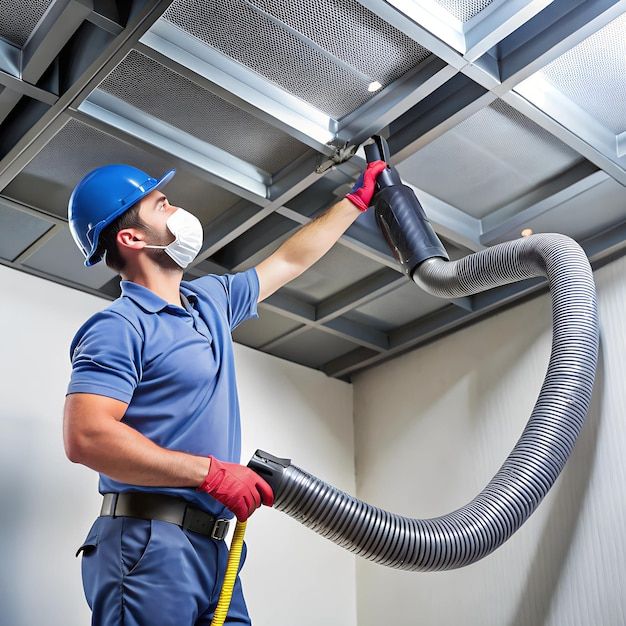
Specialized vacuum equipment and cleaning tools can be used to loosen and collect dust and debris from accessible duct surfaces.
The goal is to remove material from the system without simply pushing it into another section of the ductwork.
Cleaning Registers and Returns
Supply registers and return grilles can collect visible debris because they are directly exposed to room air.
Cleaning these components along with the duct system helps address both visible buildup and material farther inside the air-distribution network.
Understanding Supply and Return Ducts
Homeowners often focus on supply vents because those are where conditioned air enters each room. Return ducts are equally important.
Supply Ducts
Supply ducts carry heated or cooled air from HVAC equipment toward rooms throughout the property.
The layout, condition, insulation, sealing, and cleanliness of these ducts can all influence how effectively air reaches different spaces.
Return Ducts
Return ducts draw indoor air back to the HVAC equipment for another heating or cooling cycle.
Dust entering return pathways is one reason a properly fitted HVAC filter is important. A missing, damaged, or poorly fitted filter can allow more material to reach internal system components.
Air Duct Cleaning in San Francisco, CA
Heating and cooling systems in homes and businesses operate through interconnected equipment, filters, vents, and ductwork. When one part develops a problem, the symptoms may appear somewhere else in the system.
Property owners considering air duct cleaning in San Francisco, CA should pay attention to visible buildup, unusual debris from vents, airflow changes, filter condition, and whether HVAC maintenance has been neglected.
Residential Duct Systems
Residential properties can accumulate normal household dust, pet hair, fibers, and debris from renovation or remodeling work.
If construction has recently taken place, registers and return openings should be checked because fine particles can travel through nearby areas.
Commercial HVAC Systems
Offices, shops, and other commercial properties may have larger or more complex air-distribution systems.
Duct-cleaning plans should account for system layout, operating hours, accessible components, occupant schedules, and the way the HVAC equipment serves different zones.
HVAC Duct Cleaning in Walnut Creek, CA
Property owners seeking HVAC duct cleaning in Walnut Creek, CA should also consider the general maintenance condition of the heating and cooling system.
Duct cleaning is most useful when it addresses an identified buildup issue rather than being treated as a substitute for normal HVAC maintenance.
Check the Filter First
A heavily loaded filter can restrict airflow and allow performance to decline. Filters should be checked and replaced according to the equipment requirements and conditions inside the property.
Homes with pets, remodeling activity, or heavier HVAC use may need filters checked more frequently.
Inspect Registers and Returns
Blocked furniture, closed registers, dirty grilles, and obstructed return vents can interfere with airflow.
These simple conditions should be reviewed before assuming that a problem is located deep within the duct system.
How Duct Condition Can Affect HVAC Performance
Ductwork is the pathway between HVAC equipment and occupied rooms. Its condition influences how air moves through the building.
Airflow Through the System
Heating and cooling equipment is designed to operate with a certain amount of airflow. Restrictions anywhere in the system can affect comfort and system performance.
Cleaning may help when accumulated debris is contributing to the restriction, but mechanical or duct-design problems require different corrections.
Duct Leaks and Damage
Cleaning does not repair disconnected, crushed, damaged, or leaking ductwork.
If an inspection reveals physical problems, sealing or repair may be more important than cleaning alone.
HVAC Equipment Condition
Dirty coils, clogged filters, blower issues, and other equipment problems can also affect airflow.
A complete evaluation helps distinguish between a duct-cleaning need and a larger HVAC maintenance or repair issue.
Maintaining Ductwork After Cleaning
Once a duct system has been cleaned, basic maintenance can help reduce how quickly new debris accumulates.
Replace HVAC Filters Properly
Use the filter type recommended for the HVAC equipment and make sure it fits correctly.
A filter with gaps around the frame can allow air and particles to bypass the filtration surface.
Keep Vents Clear
Avoid blocking return vents or supply registers with furniture, rugs, boxes, or other objects.
Clear pathways support normal air movement and make vents easier to inspect and clean.
Control Dust During Remodeling
Renovation and construction work can create large amounts of fine debris.
Protecting registers during appropriate stages of work and cleaning the property thoroughly afterward can help limit the amount of construction dust entering the HVAC system.
Choosing an Air Duct Cleaning Service
A property owner should understand what parts of the system will be inspected and cleaned before scheduling work.
Ask What Is Included
Find out whether the service addresses supply ducts, returns, registers, and accessible HVAC components.
A clear scope makes it easier to understand what work will actually be performed.
Discuss the Reason for Cleaning
Explain whether you have visible dust, debris coming from vents, recent remodeling, unusual odors, or airflow concerns.
The technician should consider those symptoms rather than assuming every HVAC problem can be solved through duct cleaning.
Ask About Other HVAC Problems
If airflow remains poor after cleaning, the system may need additional inspection.
Damaged ducts, equipment problems, clogged filters, or balancing issues should be evaluated separately.
Conclusion
Air duct cleaning can help remove accumulated dust and debris from the air-distribution system when buildup is actually present. The service is most useful when it begins with inspection and considers supply ducts, returns, registers, filters, and nearby HVAC components together.
For property owners in San Francisco and Walnut Creek, visible debris around vents, particles entering rooms, recent construction, or noticeable changes in airflow may justify a closer look at the duct system. However, similar symptoms can also result from filters, damaged ductwork, blocked registers, or HVAC equipment issues.
Professional inspection can help determine whether cleaning is appropriate or whether another heating and cooling service should be addressed first. After cleaning, proper filtration, clear registers, routine HVAC maintenance, and attention to new airflow changes can help keep the system in better condition.
Frequently Asked Questions
How do I know if my air ducts need cleaning?
Visible debris inside registers, particles coming from vents, significant dust buildup, or contamination after construction may justify an inspection. A technician can determine whether cleaning is actually needed.
Does air duct cleaning improve airflow?
It may help when substantial debris is restricting part of the duct system. Poor airflow can also come from clogged filters, damaged ducts, equipment problems, or blocked vents.
Are return ducts cleaned along with supply ducts?
A complete duct-cleaning scope may include both supply and return pathways along with registers and accessible HVAC components. Ask what is included before service begins.
Should ducts be cleaned after home remodeling?
Major remodeling can create fine dust and debris that may enter open or nearby ductwork. An inspection after construction can help determine whether cleaning is appropriate.
Can duct cleaning repair damaged ductwork?
No. Cleaning removes debris but does not repair leaking, crushed, disconnected, or damaged ducts. Physical duct problems require repair or replacement.
How can I keep air ducts cleaner after service?
Use properly fitted HVAC filters, replace them as recommended, keep registers and returns clear, reduce dust during remodeling, and maintain the heating and cooling system regularly.