A cold snap hits San Jose maybe a dozen nights a year, and that’s exactly when your furnace decides to quit. Suddenly you’re scrolling through a list of names at 9 p.m., trying to figure out who’s legitimate and who’s going to overcharge you for a part that costs forty dollars. At Heating and Air Experts, we’ve fielded enough of those late-night calls to know the panic is real — and we’ve watched plenty of homeowners make rushed decisions they later regretted. This guide is meant to slow that moment down.
Choosing the right heating contractor isn’t just about getting warm air again. It’s about who you trust inside your home, around your gas lines, and near your family’s safety. So before you call the first number that pops up, let’s walk through what actually separates a great residential heating contractor from a forgettable one in the South Bay.
What Residential Heating Contractors in San Jose Actually Do
Most people think a heating contractor is someone you call when something breaks. That’s part of it, sure. But the better firms in San Jose handle a much wider range of work, and understanding that scope helps you hire the right pro for the right job.
Beyond Repairs: The Full Scope of Home Heating Services
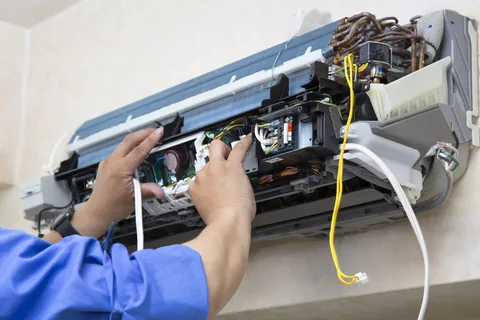
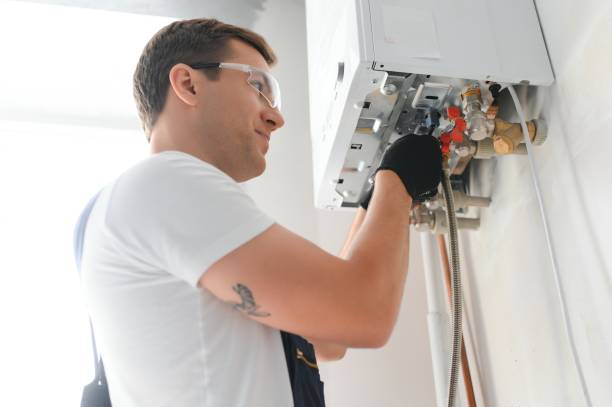
A full-service residential heating contractor does a lot more than swap out a broken igniter. They size and install new systems, replace aging furnaces, design and seal ductwork, tune thermostats, and run safety checks on gas lines and heat exchangers. Many also handle indoor air quality work — filters, humidity control, ventilation — because heating and air quality are tied together more closely than people assume.
Think of it like a primary care doctor versus a specialist. A good contractor looks at your whole home as a system. They notice that your bedrooms run cold not because the furnace is weak, but because a duct came loose in the crawlspace. That kind of diagnostic thinking is where experience earns its keep.
Why Local Expertise Matters in the South Bay
San Jose isn’t Minnesota. Our winters are mild, our homes are often older with quirky additions, and our energy rules are some of the strictest in the country. A contractor who works locally understands that a heat pump often makes more sense here than an oversized furnace, and they know how PG&E rate structures affect your monthly bill.
Local crews also know the permitting dance. California’s Title 24 energy code requires permits and inspections for most furnace replacements, and a contractor who skips that step is setting you up for headaches when you sell your home. Familiarity with the city’s process saves you time and protects your investment.
The Heating Systems Most San Jose Homes Rely On
Before you can judge a contractor’s recommendation, it helps to know what you’re choosing between. The two systems you’ll hear about most are gas furnaces and heat pumps, and the right answer depends on your home, your budget, and how you feel about California’s push toward electrification.
Gas Furnaces and Why They Still Dominate
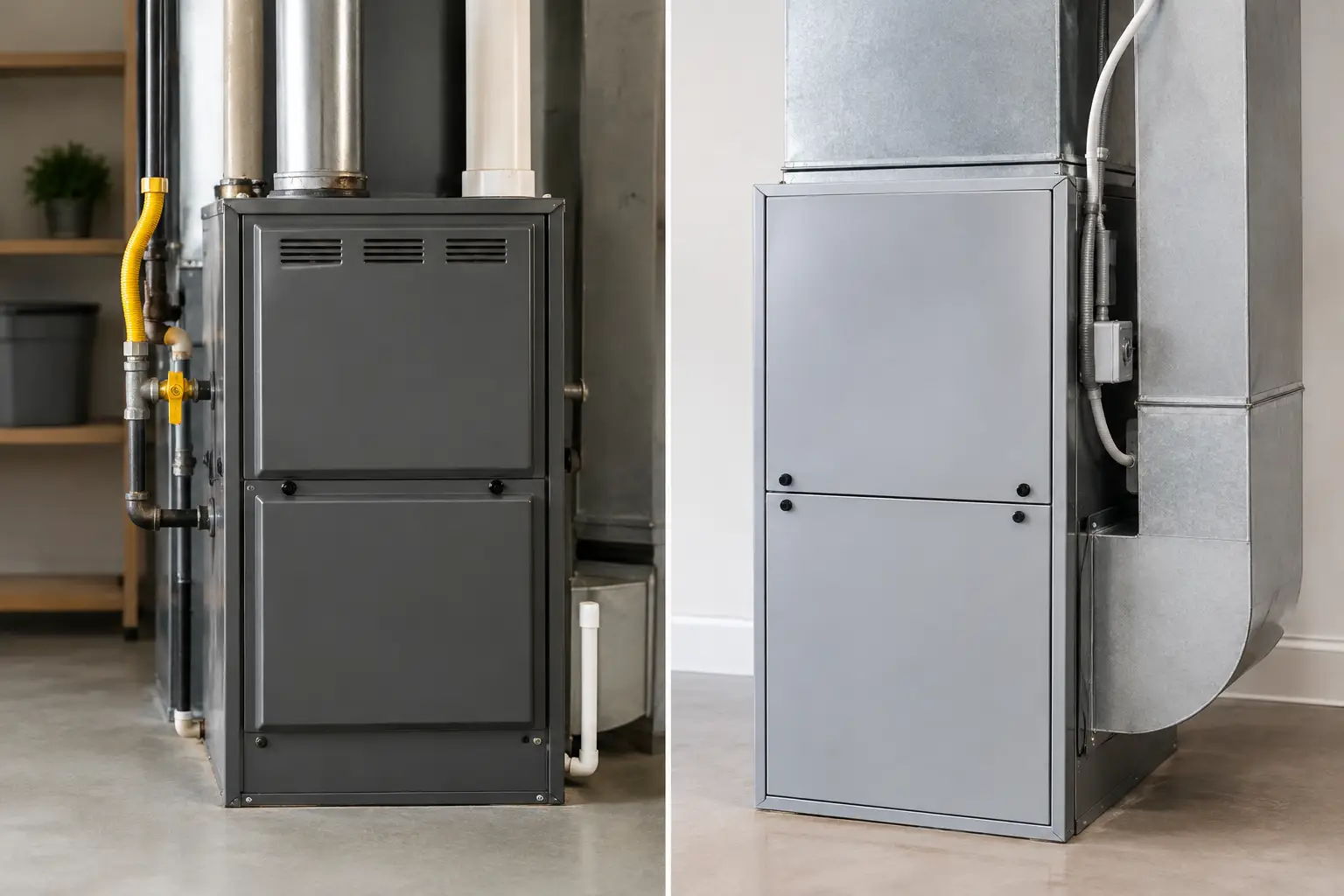
Natural gas furnaces have been the default in this region for decades, and they remain popular for good reason. They heat fast, they handle cold mornings without strain, and gas has historically been cheaper than electricity per unit of heat in California.
The key spec to watch is the AFUE rating, which measures how much of the fuel actually becomes heat. A modern high-efficiency furnace runs at 90% AFUE or higher, meaning ninety cents of every fuel dollar warms your home rather than escaping up the flue. Older units from the 1990s often sit closer to 70%. When a contractor recommends an upgrade, that efficiency gap is usually where the savings live.
The Rise of Heat Pumps in California Homes
Heat pumps have moved from niche to mainstream, and San Jose’s climate is nearly perfect for them. Instead of burning fuel, a heat pump moves heat from the outside air into your home, then reverses in summer to cool it. One system, two seasons.
The state is leaning hard into this technology. Residential Heating Contractors in San Jose, CA has set goals to dramatically expand heat pump adoption over the coming years, and rebates through programs tied to the California Energy Commission can take a meaningful bite out of the upfront cost. ENERGY STAR-certified heat pumps qualify for many of these incentives, so a knowledgeable contractor will steer you toward eligible models rather than whatever’s sitting in the warehouse.
I’ll be honest with a small opinion here: for most San Jose homeowners replacing an old AC and furnace at the same time, a heat pump is worth a serious look. The math has shifted, and pretending otherwise does clients a disservice.
How to Choose a Residential Heating Contractor in San Jose
Here’s where the real decision happens. Two contractors can quote the same job and deliver wildly different results. The difference usually shows up in their credentials, their communication, and the questions they ask before quoting anything.
Licensing, Insurance, and Certifications That Actually Matter
In California, HVAC contractors must hold a C-20 license issued by the Contractors State License Board. This isn’t optional, and it’s easy to verify online in about two minutes. An unlicensed handyman might be cheaper, but if they botch a gas connection, your homeowner’s insurance may refuse the claim.
Beyond the license, look for NATE certification. NATE — North American Technician Excellence — is the industry’s gold standard for technician knowledge, and a NATE-certified team has proven they understand the science, not just the wrench-turning. Proper liability insurance and workers’ comp matter too, because they shield you from being on the hook if someone gets hurt on your property.
Reading Between the Lines of Reviews and Quotes
Reviews tell a story if you read past the star rating. Look for patterns: do customers mention the technician explaining the problem clearly? Do they note clean work and honest pricing? One angry review among fifty glowing ones means little. Ten reviews complaining about surprise charges mean a lot.
When you collect quotes, beware the outlier that’s far cheaper than the rest. In professional home heating services work, the rock-bottom bid often hides corner-cutting — undersized equipment, skipped permits, or no warranty. A fair quote spells out the equipment model, the AFUE or efficiency rating, labor, permit fees, and the warranty terms in writing.
Quick Comparison: Green Flags vs. Red Flags
| Green Flags | Red Flags |
| Valid C-20 license, verifiable online | Vague or missing license info |
| Itemized written quote with model numbers | Round-number quote scribbled on a napkin |
| Pulls permits and schedules inspection | “We can skip the permit, it’s faster” |
| Offers a load calculation before sizing | Recommends a size by glancing at the old unit |
| Clear warranty on parts and labor | Warranty terms left undefined |
A contractor who does a proper load calculation — sizing the system to your home’s square footage, insulation, and window exposure rather than just matching the old unit — is signaling real expertise. Oversized systems short-cycle, wear out faster, and heat unevenly. Right-sizing is one of those quiet skills that separates pros from order-takers.
What Heating Services Cost in San Jose (and Why)
Money questions cause the most anxiety, so let’s talk about them plainly. Costs vary, but understanding the drivers helps you spot a fair deal and recognize when you’re being upsold.
Repair vs. Replacement: Where’s the Line?
A common rule of thumb in the trade is the “5,000 rule.” Multiply the repair cost by the age of the unit in years; if the result tops $5,000, replacement usually makes more financial sense. A $400 repair on a four-year-old furnace is a no-brainer fix. That same repair on a twenty-year-old unit limping along at 70% efficiency? You’re probably throwing good money after bad.
Age, efficiency, and how often it’s already broken down all factor in. If your technician pushes replacement on a young, efficient system over a minor part, that’s a reason to get a second opinion.
Factors That Move the Price
Several things shape what you’ll pay. System type matters — heat pumps and high-efficiency furnaces cost more upfront but earn it back in lower bills. Ductwork condition matters; if your ducts leak or need resizing, that adds labor. Permits, the difficulty of accessing your equipment, and whether your electrical panel needs upgrading for a heat pump all play a role.
The cheapest path on day one isn’t always the cheapest over ten years. A slightly pricier high-efficiency system can quietly save hundreds annually on energy, and rebates can close much of the initial gap. Good contractors will run those numbers with you instead of just quoting a sticker price.
Keeping Your Heating System Healthy Year-Round
The best repair is the one you never need. A little maintenance stretches the life of your equipment and keeps small problems from becoming midnight emergencies.
The Case for Annual Maintenance
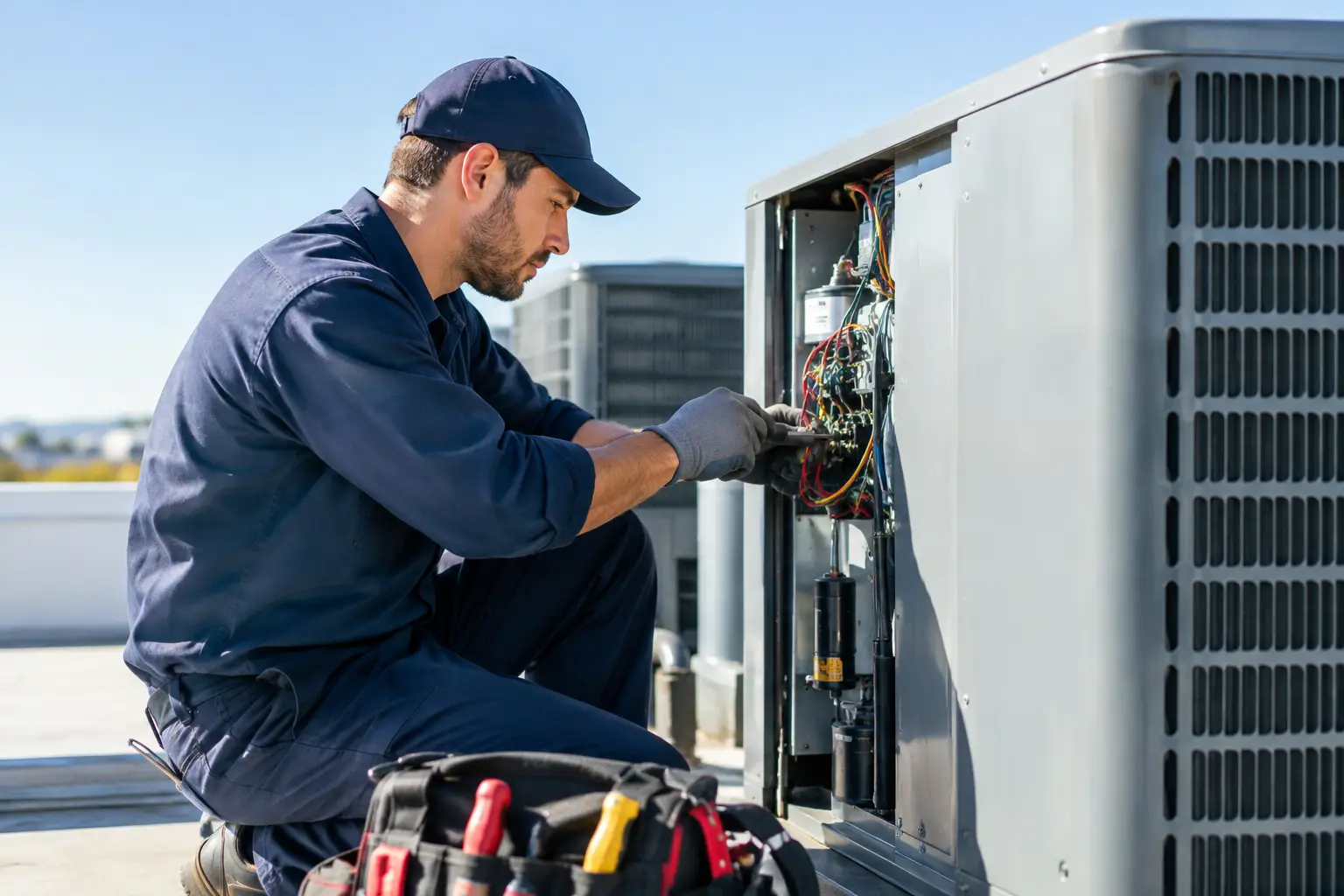
Most manufacturers recommend a professional tune-up once a year, and many warranties actually require it. During a maintenance visit, a technician cleans components, checks the heat exchanger for cracks, tests the thermostat, inspects the gas pressure, and replaces or cleans filters. It’s the equivalent of an oil change for your heating system.
Skipping maintenance is a quiet gamble. A cracked heat exchanger can leak carbon monoxide, which is exactly the kind of invisible danger an annual inspection catches early. The EPA and most safety bodies treat carbon monoxide detection as essential, and a thorough tune-up supports that safety net.
Signs You Need to Call a Pro Sooner
Your furnace usually warns you before it dies. Listen for banging or grinding noises, watch for uneven heating between rooms, and notice if your energy bills climb without a change in usage. A yellow burner flame instead of a crisp blue one is a red flag worth an immediate call. Frequent cycling on and off points to a sizing or sensor problem that a qualified HVAC technician should diagnose.
Trust your senses here. Strange smells, especially burning or sulfur-like odors, are not “wait and see” situations. When in doubt, shut it off and call someone licensed.
Conclusion
Picking a residential heating contractor comes down to three things: proven credentials, honest communication, and local know-how. Verify the C-20 license, look for NATE certification, insist on a written and itemized quote, and favor the contractor who asks smart questions about your home before recommending anything.
Don’t wait for the first freezing night to start your search. Line up a trustworthy contractor now, schedule that annual tune-up, and you’ll skip the panic entirely when the temperature finally drops. A warm, safe home through winter rarely happens by accident — it happens because you chose the right people before you needed them.
Frequently Asked Questions
How much does heating repair cost in San Jose?
Most routine repairs fall in a moderate range depending on the part and labor involved. Minor fixes like igniters or sensors sit on the lower end, while blower motors or control boards cost more. Always ask for an itemized estimate before approving work.
Should I install a gas furnace or a heat pump?
For San Jose’s mild climate, a heat pump is often the smarter long-term choice, especially with available rebates and the state’s electrification push. Gas furnaces still suit homes that want fast, powerful heat at a lower upfront cost. A load calculation will point you the right way.
How do I know if a heating contractor is licensed?
Ask for their C-20 license number and verify it on the California Contractors State License Board website. The check takes a couple of minutes and confirms the license is active and complete with insurance.
How often should I service my home heating system?
Once a year, ideally before winter begins. Annual maintenance keeps efficiency up, catches safety issues like cracked heat exchangers early, and often keeps your manufacturer warranty valid.
What’s a good AFUE rating for a furnace in California?
Aim for 90% AFUE or higher for a high-efficiency unit. Older furnaces often run near 70%, so upgrading can cut a meaningful slice off your heating bills over time.