Dirty air ducts quietly sabotage your indoor air quality and your HVAC system’s efficiency often for years before you notice. If you live in San Jose and haven’t had your ductwork inspected recently, there’s a real chance the air circulating through your home is carrying dust, allergens, mold spores, and debris you’d never invite inside willingly.
At Heating And Air Experts, we’ve seen first hand what years of neglected ductwork look like — and more importantly, what a difference professional cleaning makes for homeowners across San Jose, CA. This article covers everything you need to know: what professional duct cleaning actually involves, the signs that your system needs attention, how the process works, what it costs, and how to choose the right provider. We’ll also clear up a few persistent myths along the way.
In this post, you’ll learn:
- The clear signs your ducts need professional cleaning
- What the cleaning process actually involves, step by step
- What drives pricing in San Jose and what to watch out for
- How to choose a trustworthy service provider in the area
What Professional Duct Cleaning Actually Means
A lot of homeowners assume duct cleaning is just running a vacuum hose through a vent opening. That’s not even close to what a qualified professional does.
Professional duct cleaning done properly, according to NADCA (National Air Duct Cleaners Association) standards involves a full inspection of the HVAC system, creating negative air pressure inside the duct network, and using specialized rotary brushes and high-powered vacuums to dislodge and capture debris before it can escape back into your living space.
The NADCA recommends cleaning the entire HVAC system as a single unit. That means supply Professional Air Duct Cleaning in San Jose, CA, return ducts, the air handler, the coils, the blower motor housing, and the drain pan all get attention. Spot-cleaning one vent while ignoring the rest of the system is like washing one window in a house and calling it clean.
Why the Bay Area Climate Makes This More Relevant
San Jose sits in a region with mild but dusty conditions, high pollen seasons in spring and fall, and wildfire smoke events that have become increasingly common in recent years. Each of those factors adds particulate load to your duct system.
During wildfire season especially, fine particulate matter — PM2.5 can infiltrate your home and settle in the ductwork. Once those particles are in, every time your HVAC runs, it recirculates them. That’s a real concern for children, the elderly, and anyone with asthma or respiratory sensitivities.
The Difference Between Cleaning and Sanitizing
Cleaning removes physical debris — dust, pet dander, insulation fragments, and buildup. Sanitizing goes a step further and applies an EPA-registered antimicrobial agent to the duct interior to reduce mold, bacteria, and odor-causing microbes.
Not every home needs sanitization. But if there’s visible mold growth, a persistent musty smell from the vents, or a history of moisture intrusion, adding a sanitizing treatment makes sense.
Signs Your San Jose Home’s Ducts Need Cleaning
You don’t need to wait for a contractor to tell you something is wrong. Your home often gives you signals first.
Dust accumulating on registers faster than usual is one of the most reliable early signs. If you’re wiping down supply vents every two or three weeks and they’re consistently coated in gray dust, the interior of your ducts probably looks much worse. The same goes for finding debris around vent openings or noticing visible buildup when you look directly into a vent with a flashlight.
Worsening allergy symptoms inside the house especially if they improve when you leave — point strongly toward air quality problems. The EPA notes that indoor air can be two to five times more polluted than outdoor air, and a dirty duct system is a major contributing factor.
Other Signs Worth Taking Seriously
Uneven heating and cooling throughout your home isn’t always a sign of duct contamination, but it can be. Heavy debris buildup restricts airflow through certain runs, causing some rooms to feel significantly warmer or colder than others.
Unusual odors when the HVAC system turns on — dusty, stale, or musty — often indicate that mold, rodent activity, or years of accumulated debris are being pushed through the air. A burning smell deserves an immediate inspection, as it could involve debris near the heat exchanger.
If you’ve recently completed a home renovation, especially drywall work or floor refinishing, your ducts almost certainly collected fine construction dust. That’s a good enough reason to schedule a cleaning on its own.
The Professional Duct Cleaning Process, Step by Step
Understanding what happens during a service call helps you evaluate providers and know whether the job was actually done right.
A reputable San Jose duct cleaning company will start with a visual inspection — often using a small inspection camera — to document conditions before work begins. This step protects you and the company by establishing a clear baseline.
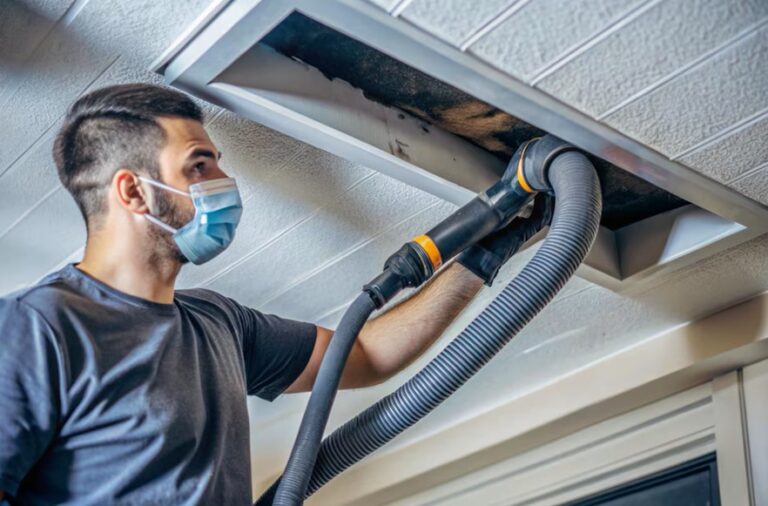
Next, the technician seals the supply and return registers and connects a truck-mounted or portable HEPA-filtered vacuum to the system. This creates negative pressure inside the ductwork, which prevents loosened debris from escaping into your home during cleaning. That negative pressure piece is critical. Companies that skip it are cutting corners in a way that can make indoor air quality temporarily worse.
Agitation, Brushing, and Debris Removal
With the negative pressure established, the technician uses rotary brushes — often flexible and motorized for navigating duct bends — to agitate debris from the duct walls. Air whips and compressed air tools are used in sections where brushes can’t reach easily. Everything loosened gets captured by the vacuum system.
Supply ducts, return ducts, and all branch lines get this treatment. The process is methodical, not quick. A thorough cleaning of a typical San Jose single-family home takes between three and five hours. If a company promises it can clean your entire system in 45 minutes for a suspiciously low price, that’s a red flag.
Air Handler and Component Cleaning
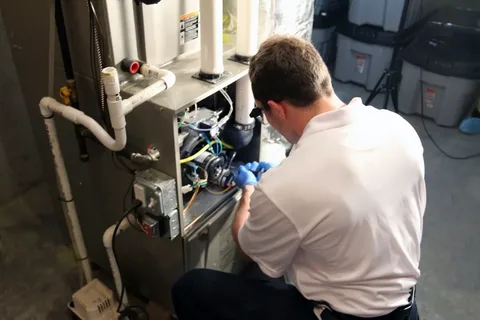
A proper job doesn’t stop at the ducts. The air handler unit itself the blower wheel, evaporator coil, and drain pan collects debris over time and can become a source of mold and bacteria if ignored. Cleaning these components isn’t optional if the goal is genuinely improved air quality.
After cleaning, the technician should seal any access holes made during the process and conduct a final inspection to confirm the system is clean and all registers are secured.
What Drives Duct Cleaning Costs in San Jose
Pricing for duct cleaning in San Jose typically ranges from $350 to $700 for a standard residential property, though larger homes, complex systems, and add-on services can push costs higher. Understanding what drives pricing helps you evaluate quotes accurately.
Square footage and system size matter most. A 1,500-square-foot home with one HVAC zone costs less to clean than a 3,000-square-foot home with two separate systems. The number of supply and return vents, total duct linear footage, and accessibility of the ductwork all factor into the quote.
Dryer vent cleaning is often offered as an add-on and is worth doing if it hasn’t been cleaned recently. Clogged dryer vents are a leading cause of residential fires the U.S. Fire Administration reports roughly 2,900 dryer fires annually so it’s not a service to skip indefinitely.
When Price Should Raise Questions
Be cautious of quotes below $150 for a full-home cleaning. That price point often signals a bait-and-switch tactic: the low number gets the company through your door, and then “additional charges” for mold remediation, duct sealing, or sanitization inflate the final bill dramatically.
Ask for an itemized quote in writing before work begins. A legitimate provider won’t hesitate to break down labor, equipment fees, and any optional treatments separately.
How to Choose the Right Duct Cleaning Provider in San Jose
The duct cleaning industry has its share of fly-by-night operators, so knowing what to look for protects you from wasted money and poor results.
NADCA certification is the strongest credibility signal in this industry. NADCA-certified technicians have demonstrated proficiency in HVAC system assessment and cleaning standards. Not every reputable company is NADCA-certified, but many of the best ones are, and it’s a good starting point for your research.
Check for a valid California contractor’s license. Duct cleaning companies operating in San Jose should hold appropriate licensing, and you can verify this through the California Contractors State License Board (CSLB) online database. Licensing means the company carries workers’ compensation and liability insurance — protection you want if something goes wrong.
Reading Reviews and Asking the Right Questions
Online reviews give useful signal, but read them critically. Look for patterns in negative reviews — repeated complaints about pricing disputes, incomplete work, or aggressive upselling are warning signs. Positive reviews that specifically mention the technician’s thoroughness, professionalism, and honesty carry more weight than generic five-star ratings.
Before booking, ask these direct questions: Do you use air dust cleaning services pressure during cleaning? Will you clean the air handler components, not just the ducts? Can you provide an itemized quote in writing? How long will the job take? The answers tell you a lot about whether you’re dealing with a thorough, honest operation.
Local Experience Matters
A company with years of experience servicing homes in San Jose understands the specific challenges of the region older home construction styles common in established neighbor hoods, the seasonal air quality issues tied to wildfire smoke, and the types of HVAC systems common in Bay Area residential construction. That local context matters when diagnosing problems and recommending solutions.
Common Misconceptions About Duct Cleaning
One of the most persistent myths is that duct cleaning is a scam because the EPA hasn’t found definitive proof that it improves health outcomes. The EPA’s actual position is more nuanced: the agency states that cleaning is appropriate when ducts are contaminated with mold, infested with vermin, or clogged with debris that restricts airflow. It doesn’t endorse routine cleaning on a fixed schedule for homes with no apparent problems — but it absolutely recognizes legitimate need cases.
Another misconception is that new homes don’t need duct cleaning. Construction dust, drywall particles, and insulation fibers routinely end up inside ductwork during the build process. Many HVAC contractors recommend a post-construction cleaning before a new home is occupied.
Some homeowners believe that changing the air filter frequently makes duct cleaning unnecessary. Filters catch airborne particles before they enter the air handler, but they don’t clean the duct walls. Debris that accumulates inside supply and return runs over many years doesn’t disappear because the filter is fresh.
Conclusion
Your HVAC system works harder than you probably realize, and the quality of air it delivers depends heavily on what’s inside your ductwork. If you haven’t had a professional inspection in the last three to five years, or if your home shows any of the warning signs covered above, scheduling a cleaning with a qualified San Jose provider is a straightforward way to protect both your system’s efficiency and your household’s air quality.
Start by requesting written quotes from two or three NADCA-aware companies, verify their licensing through the CSLB, and ask the specific questions outlined in this article before committing. A well-done professional duct cleaning is an investment that pays off in energy efficiency, system longevity, and cleaner air all things that make daily life in your San Jose home more comfortable.
Frequently Asked Questions
Why is professional duct cleaning recommended over DIY cleaning?
Professional technicians use truck-mounted or HEPA-vacuum equipment that creates negative pressure, preventing debris from recirculating into your home. DIY methods can’t replicate that level of containment or reach deep into duct runs effectively. For a thorough, code-appropriate cleaning, professional equipment and training are essential.
How often should I have my ducts cleaned in San Jose?
The EPA and NADCA recommend cleaning when contamination is present, rather than on a strict annual schedule. For most San Jose homes, every three to five years is reasonable — though homes with pets, allergy sufferers, or post-wildfire exposure may benefit from more frequent service.
Does duct cleaning really improve indoor air quality?
Yes, when contamination is present and the cleaning is done properly. Removing accumulated dust, mold spores, and debris from duct walls reduces the amount of particulate matter your HVAC system pushes into living spaces. The improvement is most noticeable in homes with heavy pet dander buildup or post-renovation dust.
How long does a professional duct cleaning take?
A thorough cleaning of a standard San Jose home typically takes between three and five hours. Larger homes, more complex duct systems, or systems requiring additional component cleaning may take longer. Any quote promising full-system cleaning in under an hour should be questioned.
What’s the difference between duct cleaning and duct sealing?
Duct cleaning removes debris from the interior surfaces of your ductwork. Duct sealing addresses physical leaks — gaps, loose joints, or cracks — that allow conditioned air to escape into unconditioned spaces like attics or crawlspaces. The two services address different problems and are sometimes recommended together.
Is duct sanitization always necessary?
No. Sanitization makes sense when there’s confirmed mold growth, a persistent musty odor from the vents, or documented moisture intrusion. For standard dust and debris removal, cleaning alone is typically sufficient. A reputable technician will only recommend sanitization when there’s a clear reason for it.
Can dirty ducts increase my energy bills?
Yes. Heavy debris buildup restricts airflow through the duct network, forcing your HVAC system to work harder to maintain the set temperature. Over time, that extra strain increases energy consumption and can shorten the lifespan of key system components like the blower motor and compressor.