Need Expert cooling system maintenance in San Francisco, CA? Learn tips and how to find the Best local cooling technician in San Francisco, CA.
An unmaintained air conditioner often struggles to handle sudden seasonal warm spells across the peninsula. Residential buildings throughout the Bay Area experience indoor stuffiness when climate units fail to operate at peak capacity. Restoring dependable airflow requires meticulous coil cleaning, electrical diagnostic testing, and precise refrigerant level verification. Local property owners require qualified technical support to optimize central units, clear blocked condensation pathways, or tune up ductless mini-split systems. Securing Expert cooling system maintenance in San Francisco, CA helps neighborhood property owners maintain indoor comfort through every unseasonal heat spike. Heating And Air Experts supplies specialized mechanical inspections and comprehensive cooling upkeep designed for lasting efficiency across the entire city. Our technical field crews handle every stage of electrical circuit verification, filter replacement, and performance benchmarking to keep your indoor climate healthy.
Why Peninsula Property Owners Stay Ahead with Seasonal Air Tuning
Home layouts inside coastal neighborhoods require functional air handlers to combat microclimate moisture shifts. Properties situated near the Sunset District encounter regular marine fog layers that introduce salty humidity into outdoor condenser housings. Have you noticed weak airflow coming from your registers or unusual spike increases on your monthly electric bills lately? These indicators point to restricted fan motors, clogged filtration layers, or advanced wear inside your central compressor setup.
Leaving your cooling hardware unserviced for multiple seasons leads to unexpected system breakdowns during regional heat waves. Continuous operation with worn components strains major electrical circuits, raising the probability of sudden component failures. Accumulated dust layers inside hidden drain pans can also cause property water damage or indoor mold issues.
Modern calibrated cooling configurations maintain steady humidity levels while keeping monthly utility expenses low. Selecting scheduled service visits avoids the expensive emergency repairs common with neglected, unmaintained mechanical hardware. These small maintenance steps prolong the operational life of your system while protecting your family from indoor air contaminants.
Prompt mechanical intervention eliminates the stress of managing indoor climate emergencies when regional temperatures rise. Integrated system optimization checks every internal safety control to keep your household equipment running reliably. Prioritizing consistent upkeep preserves your household machinery while supporting the long-term structural health of your real estate asset.
Maintenance Varieties and Regional Equipment Profiles
Choosing specific upkeep packages depends on your building architecture, equipment age, and local microclimate conditions. Older properties around the Richmond District frequently rely on compact ductless systems to bypass missing floor ductwork. Advanced central configurations serve larger multi-level homes near Pacific Heights, demanding deep technical inspections to balance vertical airflow.
Central air conditioners deliver high-volume moisture removal that keeps large indoor spaces dry during humid periods. Modern variable-speed configurations adjust their energy use throughout the day, matching the unique thermal shifts of different city sectors. The following table highlights the maintenance needs of common residential climate machinery:
Local property owners find dependable mechanical support by booking the Best local cooling technician in San Francisco, CA.
| System Variety | Primary Upkeep Task | Service Frequency | Common Local Risk | Core Benefit |
| Central Air Unit | Condenser coil washing | Annual | Salt air corrosion | High-volume cooling |
| Ductless Mini-Split | Wall head filter wash | Bi-monthly | Fine dust buildup | Zoned thermal control |
| Heat Pump System | Reversing valve check | Semi-annual | Continuous run wear | Dual-season efficiency |
| Evaporative Cooler | Media pad replacement | Seasonal | Hard water scaling | Low power demand |
The Step-by-Step Mechanical Inspection and Tune-up Routine
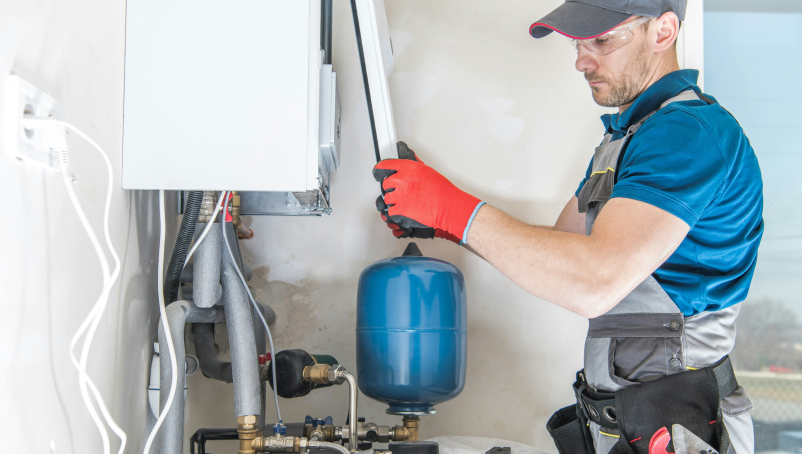
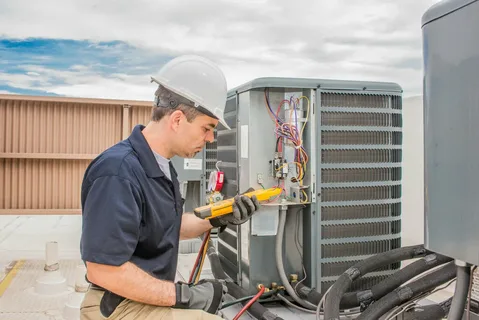
Servicing a residential cooling unit demands precise physical measurements and cannot be completed with basic household hand tools. Experienced field specialists utilize digital manifolds, electrical multimeters, and specialized airflow hoods to check system vitals safely. Partnering with seasoned HVAC professionals ensures your preventative tune-ups satisfy manufacturer rules to keep your active product warranties valid.
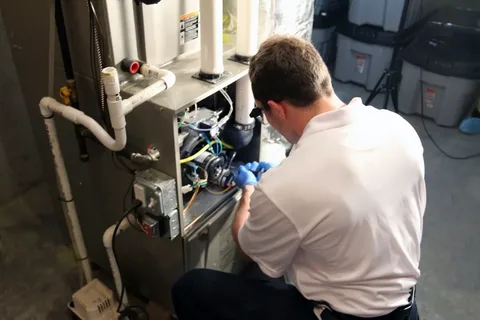
The optimization process begins by checking electrical control boards and testing voltage draws across your primary fan circuits. Mechanics clean dirt from aluminum condenser fins, inspect fan blade balances, and check safety switches for responsive operation. According to regional safety updates from the Consumer Product Safety Commission (2024), regular mechanical inspections of home electrical cooling elements drastically lower the incidence of structural utility fires during peak summer operation.
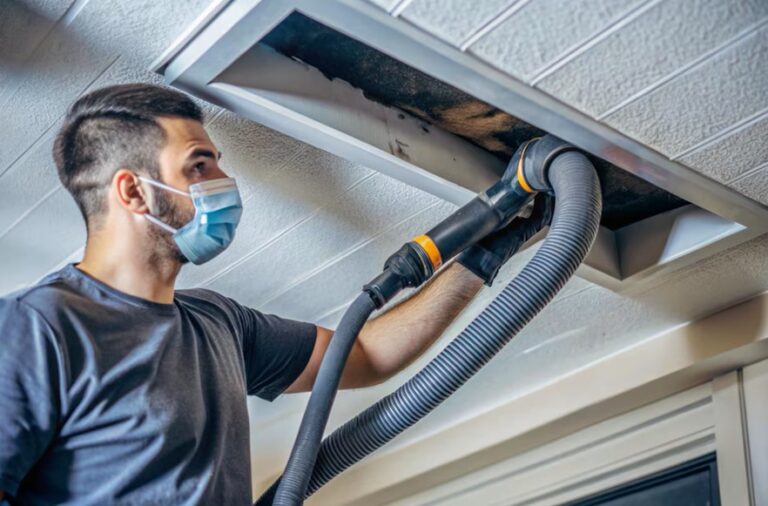
Technicians clear blockages from internal condensate lines using pressurized tools to prevent hidden overflow incidents inside your walls. They apply specialized protective treatments to exterior cabinets to stop rust development caused by regular coastal salt spray. Workers inspect duct junctions near open crawlspaces to make sure conditioned air does not leak out of your delivery system.
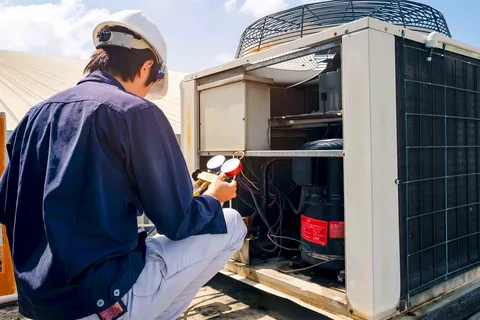
The final phase involves measuring refrigerant pressure balances, verifying sensor readouts, and checking temperature splits across your living spaces. Crews adjust loose blower belt tensions to keep air moving quietly through your duct channels. They run the machinery through a complete operational sequence to ensure your thermostat settings trigger correct system responses.
Financial Variables and Environmental Efficiency Regulations
Scheduling preventative cooling checkups involves varying costs based on equipment placement, system age, and structural accessibility. Simple filter swaps or basic drain flushes fit easily into modest household maintenance budgets. Overhauling multi-stage compressors, replacing damaged fan motors, or sealing old ductwork requires more comprehensive service resources. A complex multi-split tune-up near the Mission District requires precise technical calibration to balance separate indoor air zones.
State environmental policies govern how local service teams maintain cooling machinery and handle regulated chemical refrigerants. The California Energy Commission enforces strict regional guidelines regarding system efficiency metrics and chemical management during routine service work. Regulations mandate certified reclamation practices for all older cooling models operating on traditional chemical compounds. Property owners must ensure their service teams comply with administrative rules established by the San Francisco Department of Building Inspection.
Regional environmental programs promote high-efficiency system operations to reduce greenhouse gas emissions across the peninsula. Energy-performance building strategies approved by the U.S. Department of Energy (2025) help reduce strain on local electrical grids during seasonal warm spells. Contractors must check system performance metrics to ensure residential units operate within legal emission parameters.
Property design variations and neighborhood parking rules alter final service schedules on dense urban real estate assets. Restricted utility closets require careful physical maneuvering, which increases the total hours needed for a thorough tune-up. Warm autumn weather patterns bring sudden service call increases, making spring scheduling ideal for fast, non-emergency maintenance appointments. Professional estimators analyze these unique urban factors beforehand to provide straightforward, fixed service quotes before field work begins.
Selecting a Dedicated Local Cooling Specialist
Finding an experienced maintenance crew requires verifying professional credentials rather than picking random online classified listings. Complex cooling system diagnostics combine high-voltage electrical tracking, chemical refrigerant containment, and aerodynamic balancing inside tight building footprints. Homeowners must confirm that an HVAC provider maintains an active C-20 warm-air heating and air conditioning license with state licensing boards. Proper liability insurance shields your property asset if unexpected wiring damage happens during system maintenance.
Search for service businesses that employ professionals certified by North American Technician Excellence to ensure accurate diagnostic results. Certified specialists complete regular training regarding modern safety paths, variable-speed fan setups, and digital smart thermostat configurations. These professional qualifications mean your field crew resolves subtle operational glitches that standard handymen might overlook.
A contractor who works exclusively on climate control systems in the Bay Area — like Heating And Air Experts — will have handled the local permit process, know which materials hold up in high-humidity coastal zones, and carry the trade-specific insurance that general contractors often skip. Local companies like Heating And Air Experts focus specifically on seasonal system upkeep for San Francisco residents, which means they understand local conditions, permit rules, and material performance in this climate. Regional crews maintain strong relationships with local parts hubs to source factory-authorized components without long shipping delays.
Request local customer feedback or examine active project galleries from completed maintenance jobs in your specific neighborhood zip code. Speaking with past clients reveals critical details regarding a team’s site cleaning habits, arrival consistency, and general pricing clarity. Professional business groups supply clear written contracts detailing exact service checklists, labor warranties, and component costs openly. This transparent approach allows you to direct your home improvements safely by selecting Expert cooling system maintenance in San Francisco, CA for your next seasonal tune-up.
Conclusion
Maintaining a functional home cooling system requires precise electrical testing, clear drainage management, and absolute compliance with environmental safety codes. Understanding equipment limits, local coastal weather hazards, and correct diagnostic steps helps property owners protect their real estate investments. Partnering with a specialized local service team ensures your central air handler operates safely while preventing sudden component breakdowns during unexpected warm spells. If you need a technical maintenance crew that understands peninsula climate patterns, Heating And Air Experts provides thorough system evaluations to keep your household cool, efficient, and safe.
FAQs
How often should a residential property owner book Expert cooling system maintenance in San Francisco, CA?
Professional HVAC firms recommend scheduling a comprehensive cooling inspection at least once per year before the warm autumn weather arrives. Arranging regular Expert cooling system maintenance in San Francisco, CA keeps fan motors lubricated, removes coastal salt buildup, and protects your active manufacturer equipment warranties.
What is the standard cost for a routine cooling tune-up from the Best local cooling technician in San Francisco, CA?
Standard preventative maintenance visits involving coil cleaning, electrical checks, and drain clearing typically range between $150 and $300. Finding the Best local cooling technician in San Francisco, CA ensures hidden component defects are caught early before they become expensive emergency failures.
Do city building regulations require special permits for routine cooling system maintenance?
Basic maintenance tasks like washing condenser coils, swapping air filters, or clearing clogged drain lines do not require a municipal building permit. Replacing major structural components like compressor blocks or installing entirely new duct runs requires an approved permit from the local building department.
How does regular coastal fog affect the mechanical components of an outdoor cooling unit?
High morning moisture levels carrying ocean salt can accelerate metal rust on raw steel fan shafts and external cabinet fasteners if left unserviced. Annual technical cleanings rinse away corrosive mineral residues to stop premature coil deterioration inside your exterior condenser housing.
What steps can an individual homeowner take to preserve cooling system efficiency between professional visits?
Every individual homeowner can safely wash down the outdoor condenser cabinet with a standard garden hose to clear away windblown leaves and dirt accumulation. Keeping a three-foot clearance zone around your exterior equipment ensures unobstructed airflow and prevents your fan motor from overheating.
Professional HVAC firms recommend scheduling a comprehensive cooling inspection at least once per year before the warm autumn weather arrives. Arranging regular Expert cooling system maintenance in San Francisco, CA keeps fan motors lubricated, removes coastal salt buildup, and protects your active manufacturer equipment warranties.
Standard preventative maintenance visits involving coil cleaning, electrical checks, and drain clearing typically range between $150 and $300. Finding the Best local cooling technician in San Francisco, CA ensures hidden component defects are caught early before they become expensive emergency failures.
Basic maintenance tasks like washing condenser coils, swapping air filters, or clearing clogged drain lines do not require a municipal building permit. Replacing major structural components like compressor blocks or installing entirely new duct runs requires an approved permit from the local building department.
High morning moisture levels carrying ocean salt can accelerate metal rust on raw steel fan shafts and external cabinet fasteners if left unserviced. Annual technical cleanings rinse away corrosive mineral residues to stop premature coil deterioration inside your exterior condenser housing.
Every individualhomeownercan safely wash down the outdoor condenser cabinet with a standard garden hose to clear away windblown leaves and dirt accumulation. Keeping a three-foot clearance zone around your exterior equipment ensures unobstructed airflow and prevents your fan motor from overheating.